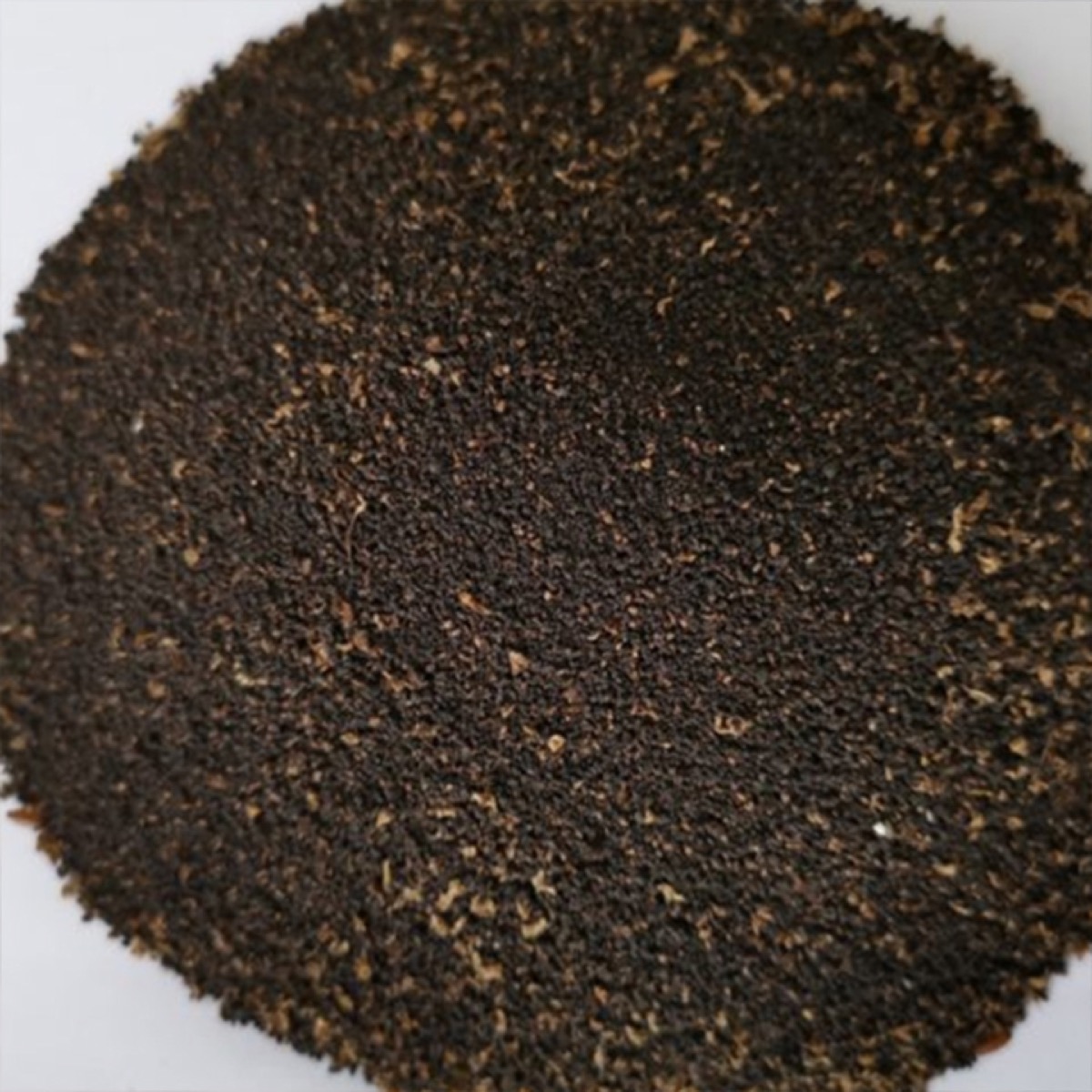
Controlled BSF Production: What Buyers Should Verify Before Sourcing
A buyer-focused guide to controlled BSF production, covering feedstock control, processing, batch specifications, documentation, storage, and quote-ready sourcing questions.
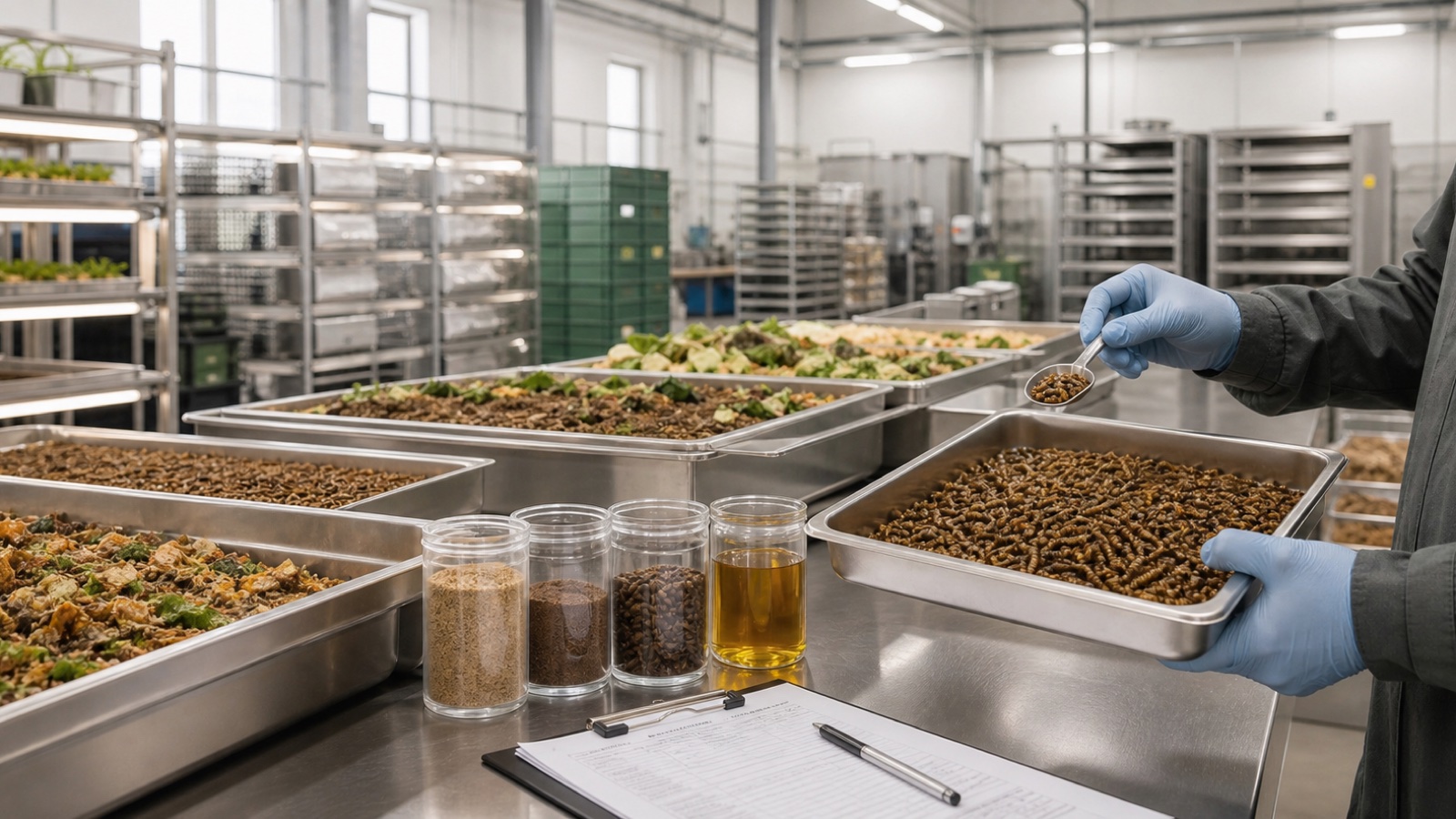
Answer summary
- Controlled BSF production is a sourcing requirement, not only a factory story.
- Buyers should verify feedstock streams, rearing conditions, harvest timing, processing method, storage guidance, packaging, and batch documentation.
- The same black soldier fly platform produces different commercial products, so Fresh Larvae, Dried Larvae, Frozen Larvae, BSF Meal, BSF Oil, and BSF Frass need different quality questions.
- Published studies show that substrate and processing can affect larval growth, nutrient composition, microbial indicators, and finished-product consistency.
- A serious inquiry should define product format, target application, estimated volume, packaging need, destination country, and documentation requirements instead of asking only for price.
Why controlled production matters in BSF sourcing
Black soldier fly production is a biological conversion system. The finished ingredient is shaped by what the larvae consume, how the substrate is managed, when the larvae are harvested, and how the material is processed after harvest. This makes production control a commercial requirement, not just a technical detail.
For feed formulators, pet food developers, aquaculture teams, growers, distributors, and importers, the practical supplier question is whether the same product can be supplied repeatedly with specifications that are understandable, comparable, and suitable for the intended market. Controlled production is the operating discipline behind that trust.
Feedstock control: quality starts before harvest
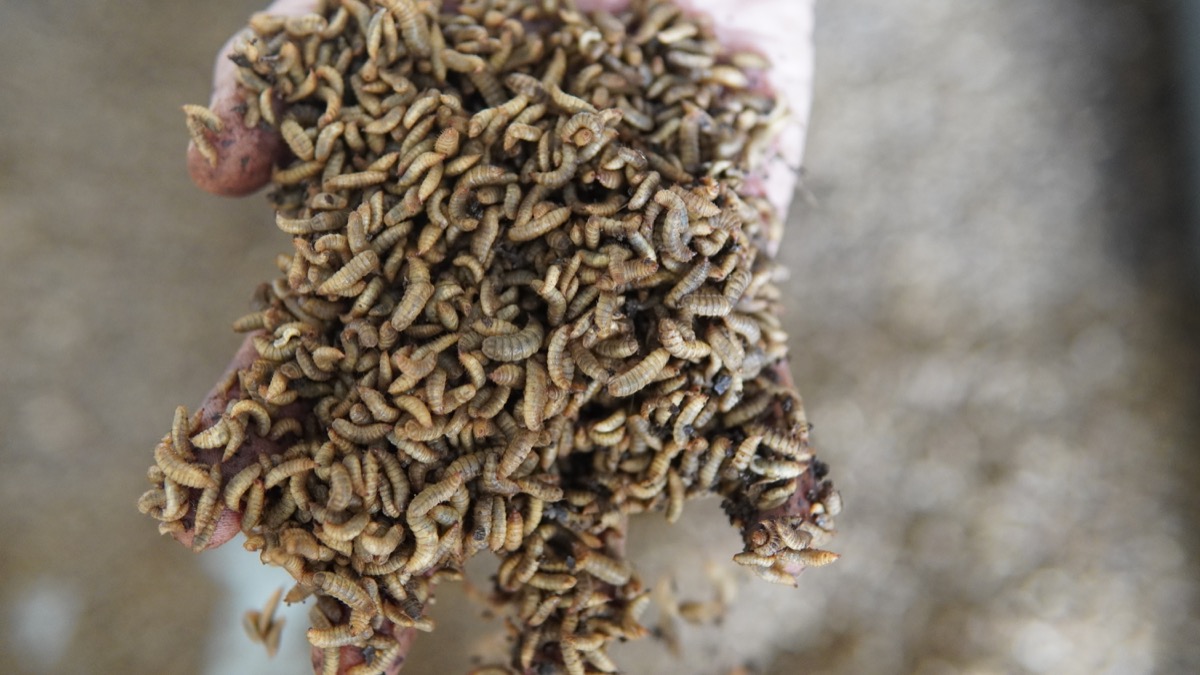
Feedstock is one of the first questions serious BSF buyers should ask about. Input streams can influence larval growth, nutrient profile, fat level, mineral content, microbial background, and batch consistency. Buyers should understand whether a supplier uses separated and managed feedstock streams, how inputs are accepted, and what documentation can be reviewed on request.
This is why ACEWORM feedstocks should be part of the sourcing conversation. Different feedstock streams and processing paths may fit different product grades and applications. A sensitive pet food project may ask different questions from an aquafeed ingredient buyer, a whole-larvae distributor, or a soil amendment buyer.
Substrate and processing are not invisible variables
Published studies show why substrate cannot be treated as an invisible part of BSF production. Research has evaluated how rearing substrates affect growth, macronutrient composition, protein composition, nutrient value, and microbial quality indicators in black soldier fly larvae.
The buyer-side lesson is direct: the phrase "BSF larvae" or "BSF meal" does not automatically define a specification. Buyers should request the actual product data for the material being purchased, including nutrition, processing method, moisture, storage guidance, and relevant quality indicators for the intended use.
Processing turns one insect platform into different products
| Product format | Main buyer question | What to verify |
|---|---|---|
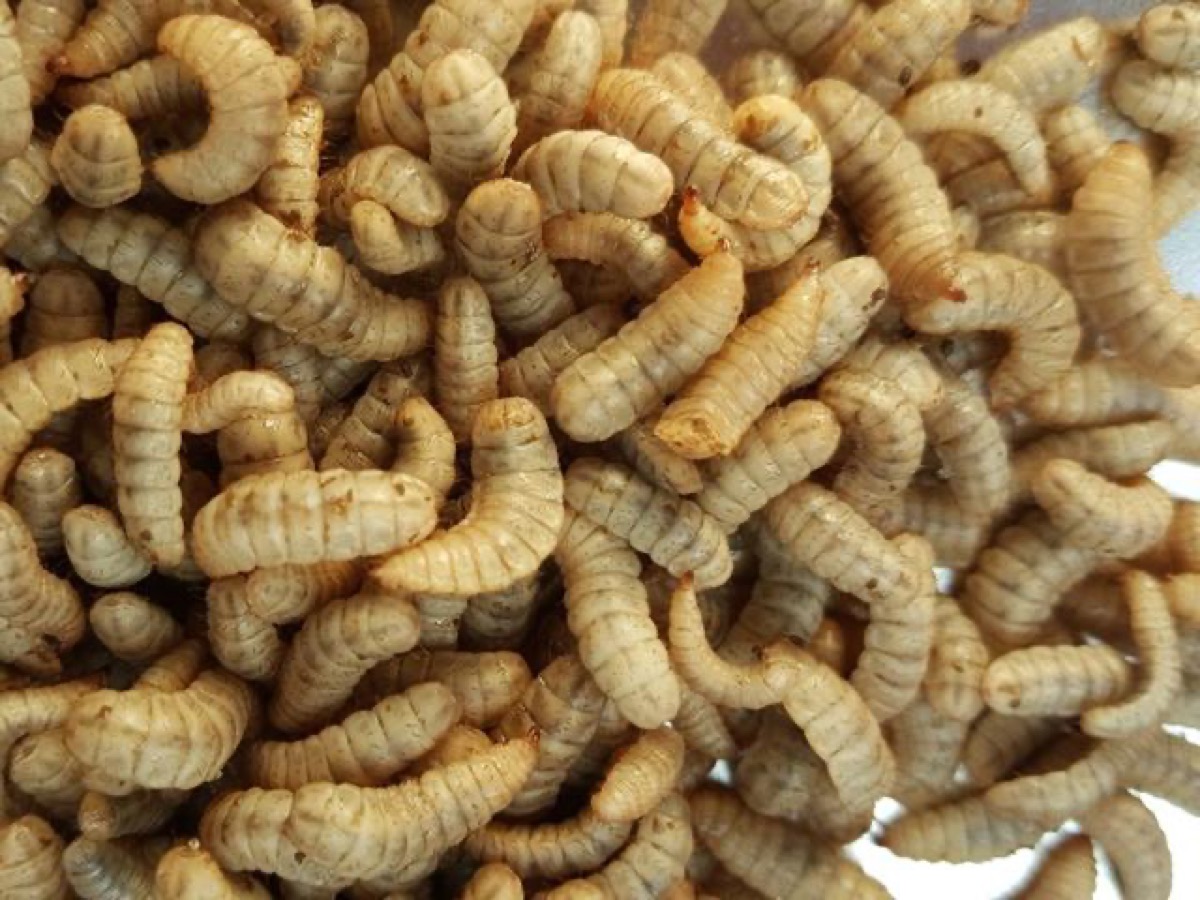
| Fresh BSF Larvae | Can live or fresh supply arrive in usable condition? | Harvest timing, handling window, temperature plan, transport time, serving guidance |
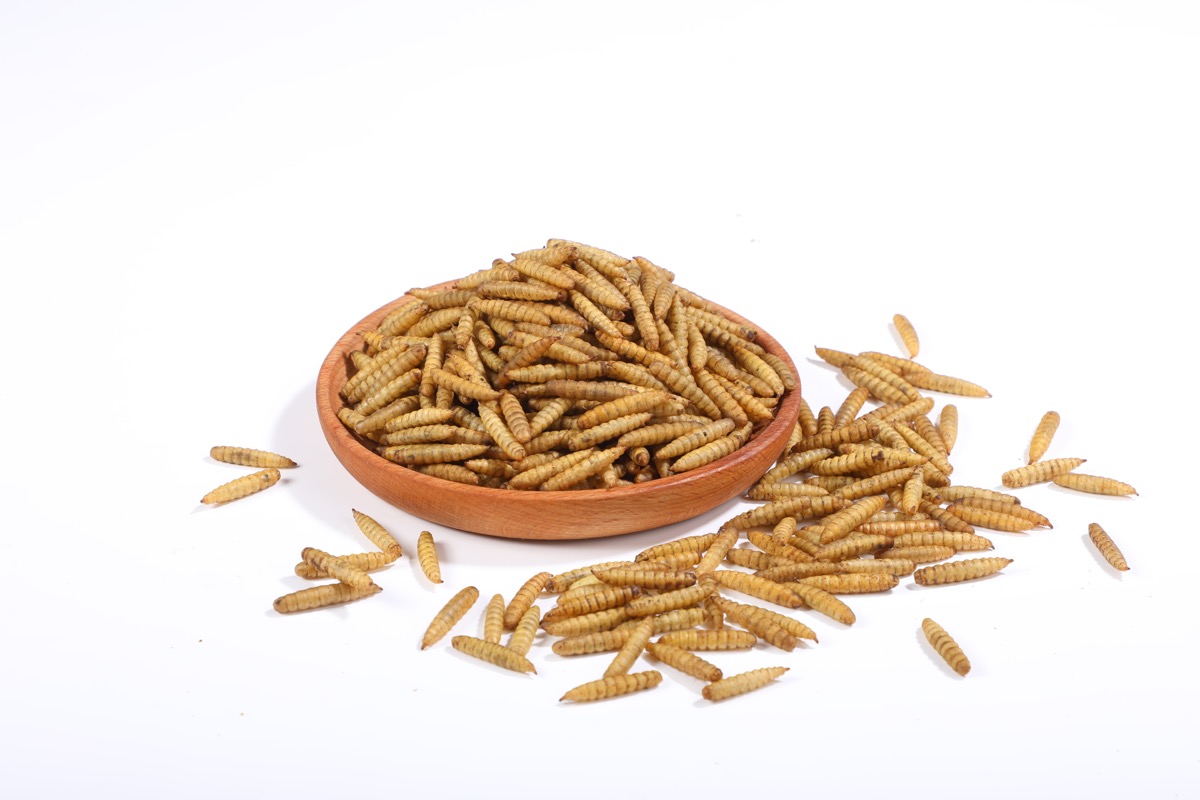
| Dried BSF Larvae | Is the whole-larvae product stable and repeatable? | Drying method, moisture, physical integrity, packaging, shelf-life guidance, storage |
| Frozen BSF Larvae | Is nutrition and handling controlled through cold chain? | Freezing method, cold-chain plan, thawing guidance, avoidance of repeated freeze-thaw cycles |
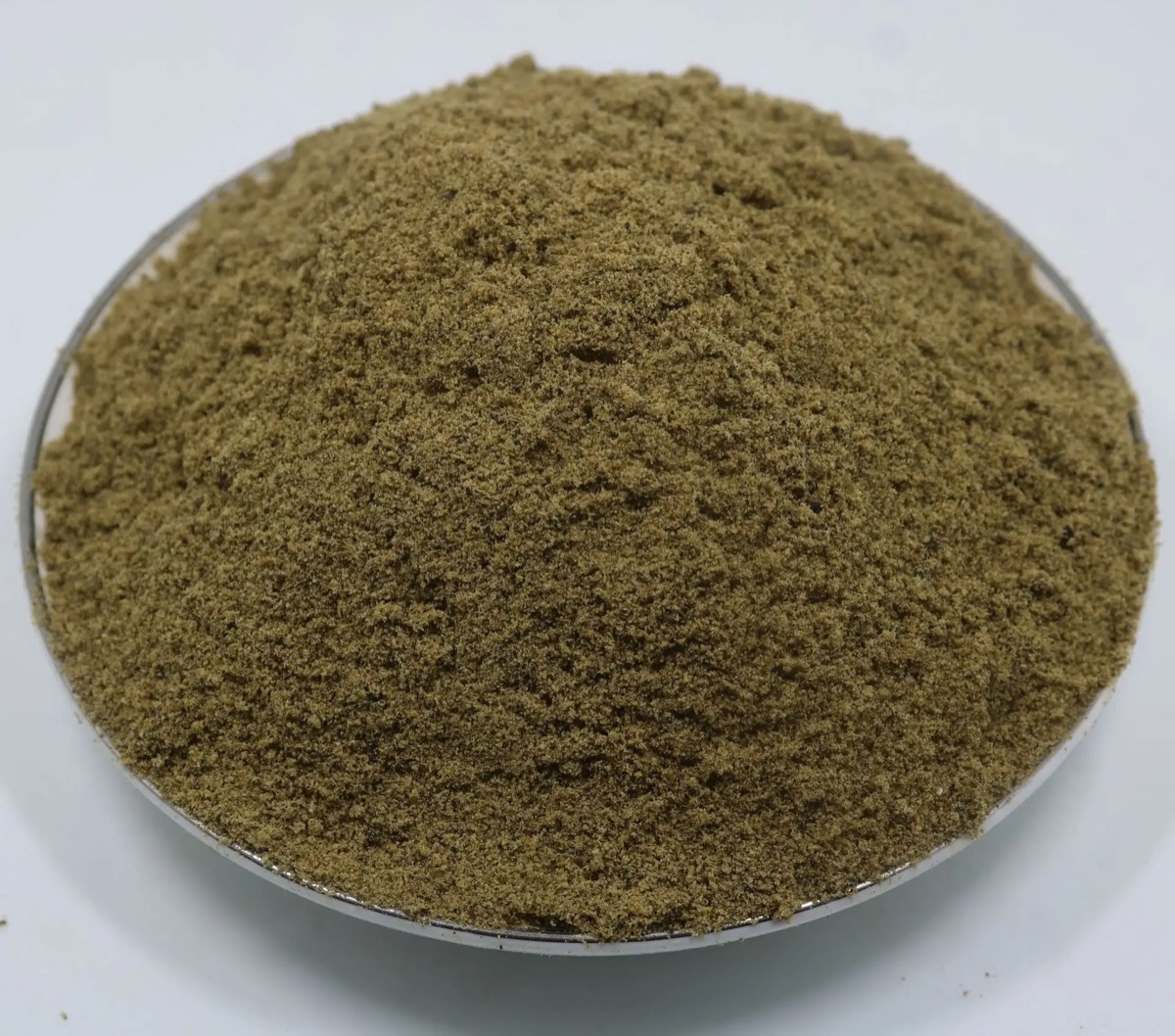
| BSF Meal | Does the ingredient fit formulation and processing needs? | Defatting, protein, fat, ash, moisture, particle size, amino acids where relevant, batch indicators |
| BSF Oil | Does the lipid profile and handling fit the formula? | Fatty acid profile, acid value, peroxide value, free fatty acids, color, odor, packaging, storage |
| BSF Frass | Does the soil amendment fit the crop, soil, and destination market? | N-P-K, organic matter, pH, EC, moisture, treatment method, microbial indicators, local rules |
Microbial quality and post-harvest handling
Microbial quality should be managed as part of the supply system. The substrate, larvae, processing environment, packaging, moisture level, temperature, and storage conditions can all affect the final quality profile. This is why buyers should ask about post-harvest handling, drying or freezing logic, hygiene controls, storage guidance, and testing available on request.
Research on Hermetia illucens larvae and insect frass highlights the importance of microbial quality evaluation and post-harvest treatment. The commercial point is not to make broad safety promises. The stronger point is to show that the supplier understands where quality risks can arise and how buyer review can be supported with specifications and documents.
Documentation buyers should request
A useful BSF supplier review should include feedstock source, product format, nutrition specification, moisture, ash, crude protein, crude fat, amino acid profile where relevant, fatty acid profile for oil, particle size for meal, microbiological indicators, contaminant testing where relevant, packaging format, shelf-life guidance, storage guidance, lead time, and estimated monthly capacity.
The document request should match the application. A pet food buyer may need ingredient specifications and batch indicators. An aquafeed buyer may need particle size, moisture, digestibility-related data, and storage guidance. An oil buyer may need acid value and oxidation indicators. A frass buyer may need nutrient profile, treatment method, and destination-market documentation.
For broader supplier review, the next practical page is the global BSF sourcing checklist.
How controlled production supports quote-based B2B sourcing
ACEWORM is best positioned as a quote-oriented B2B supplier rather than a public-price retail shop. Controlled production supports that model because the useful conversation is specific: product format, target species or soil application, estimated volume, packaging need, destination country, storage expectation, and documentation requirement.
This framing is more credible than broad claims without supporting files. It also fits how professional buyers actually work. They compare suppliers through specifications, samples, repeatability, responsiveness, logistics planning, and the ability to provide relevant documentation during quotation.
When those details are clear, buyers can request a quote with production and documentation requirements.
Best next page by buyer need
| Buyer need | Best next page | Reason |
|---|---|---|
| Understand input streams and circular production | Feedstocks | Explains managed input streams before larvae become products |
| Browse all available product formats | Products catalog | Shows whole larvae, feed ingredients, and frass in one catalog |
| Evaluate formulation ingredient controls | BSF Meal product details | Focuses on protein ingredient specifications and quote needs |
| Evaluate lipid ingredient controls | BSF Oil product details | Focuses on fatty acid profile, handling, packaging, and storage |
| Evaluate soil amendment controls | BSF Frass product details | Connects frass to soil amendment specifications and documentation |
| Prepare supplier questions | Global Buyers Checklist | Converts quality interest into a practical sourcing checklist |
| Connect production control to circular output | BSF Frass and Circular Agriculture | Shows how production and post-processing affect the soil amendment conversation |
References
Rearing substrate impacts growth and macronutrient composition of Hermetia illucens larvae produced at an industrial scale. DOI: https://doi.org/10.1038/s41598-020-76571-8
Effects of various organic substrates on growth performance and nutrient composition of black soldier fly larvae: A meta-analysis. DOI: https://doi.org/10.1016/j.biteb.2022.101061
The Influence of Food Waste Rearing Substrates on Black Soldier Fly Larvae Protein Composition: A Systematic Review. PMC: https://pmc.ncbi.nlm.nih.gov/articles/PMC8303580/ DOI: https://doi.org/10.3390/insects12070608
Biowaste and by-products as rearing substrates for black soldier fly larvae: Effects on larval body composition and performance. DOI: https://doi.org/10.1371/journal.pone.0275213
Evaluation of the Microbial Quality of Hermetia illucens Larvae for Animal Feed and Human Consumption. PubMed: https://pubmed.ncbi.nlm.nih.gov/38790886/ DOI: https://doi.org/10.3390/foods13101587
Mitigation Strategies against Food Safety Contaminant Transmission from Black Soldier Fly Larva Bioconversion. DOI: https://doi.org/10.3390/ani14111590