BSF Ingredient Sourcing Checklist: What Global Buyers Should Ask
A practical BSF sourcing checklist for buyers evaluating larvae, meal, oil, and frass by application, specifications, packaging, destination, storage, documentation, and trial plan.
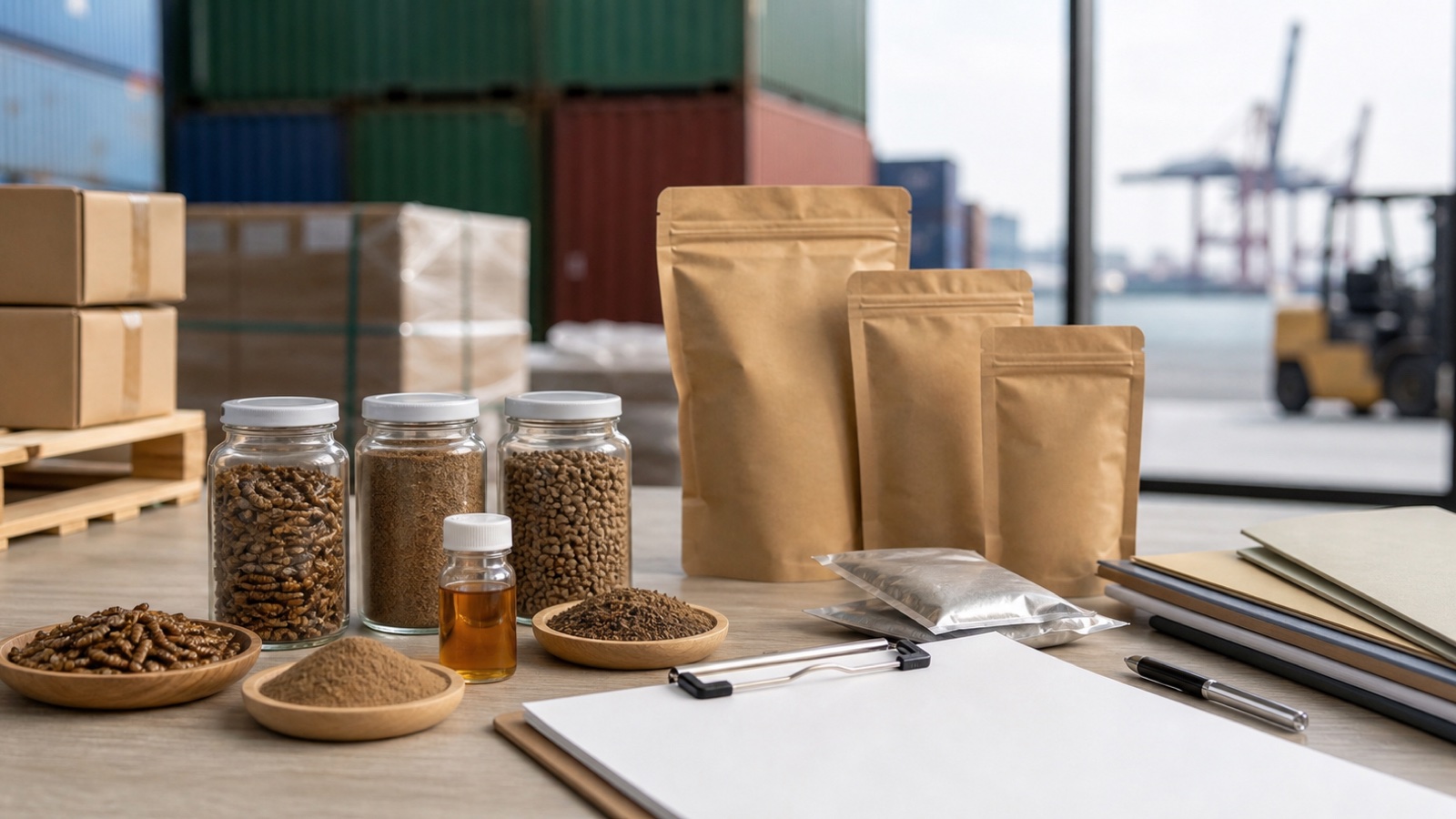
Answer summary
- Global BSF ingredient sourcing should start with application, product format, specifications, expected volume, packaging, destination country, storage, and documentation requirements.
- A buyer asking for whole larvae has a different sourcing problem from a buyer sourcing BSF Meal, BSF Oil, or BSF Frass.
- Public price tables are usually not useful when the final supply plan depends on product grade, packaging, logistics, destination, and buyer documentation needs.
- Published research supports careful evaluation of substrate, microbial quality, species identification, feed use, and supply-chain controls, but it does not replace buyer-side trials or market review.
- A quote-ready inquiry should give ACEWORM enough context to recommend product format, sample steps, packaging options, and bulk supply planning.
Start with the application
A useful inquiry starts with intended use. Is the buyer serving reptiles, birds, poultry, fisheries and aquaculture applications, or specialty pets? Is the product being used as direct feed, treat, enrichment item, aquafeed ingredient, pet food input, functional lipid, or soil amendment? Is the project a sample review, formulation trial, farm pilot, retail pack, or recurring bulk supply program?
Without that context, a supplier cannot responsibly recommend the right BSF product. For animal applications, buyers can use the Fisheries and Aquaculture and Poultry guides to move from general ingredient interest into species-specific evaluation. For exact feeding rates or commercial inclusion levels, buyers should follow qualified nutrition guidance and local regulations.
Choose the product format before requesting a quote
| Product format | Best-fit sourcing situation | Confirm before quote |
|---|---|---|
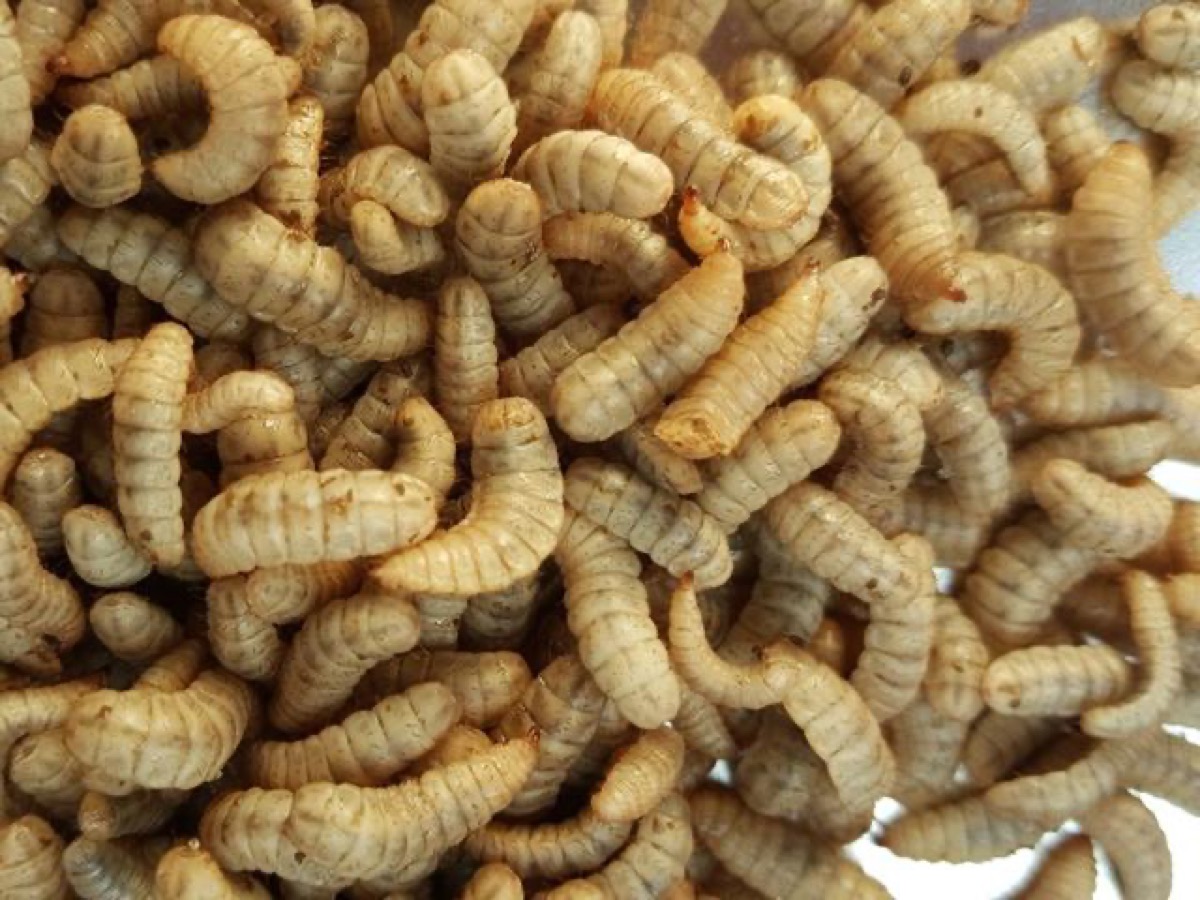
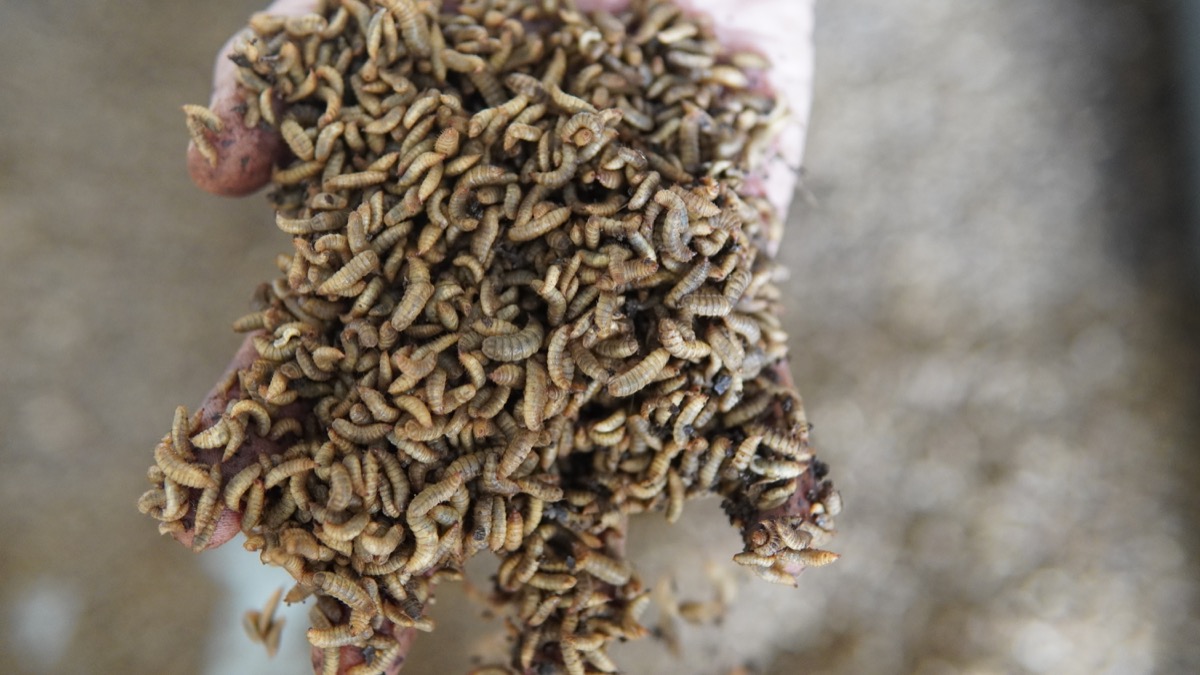
| Fresh BSF Larvae | Live whole-larvae programs across reptiles, birds, poultry, fisheries and aquaculture, and selected small mammals/exotics | Species or application, transport window, temperature plan, receiving capacity, hygiene controls, expected volume |
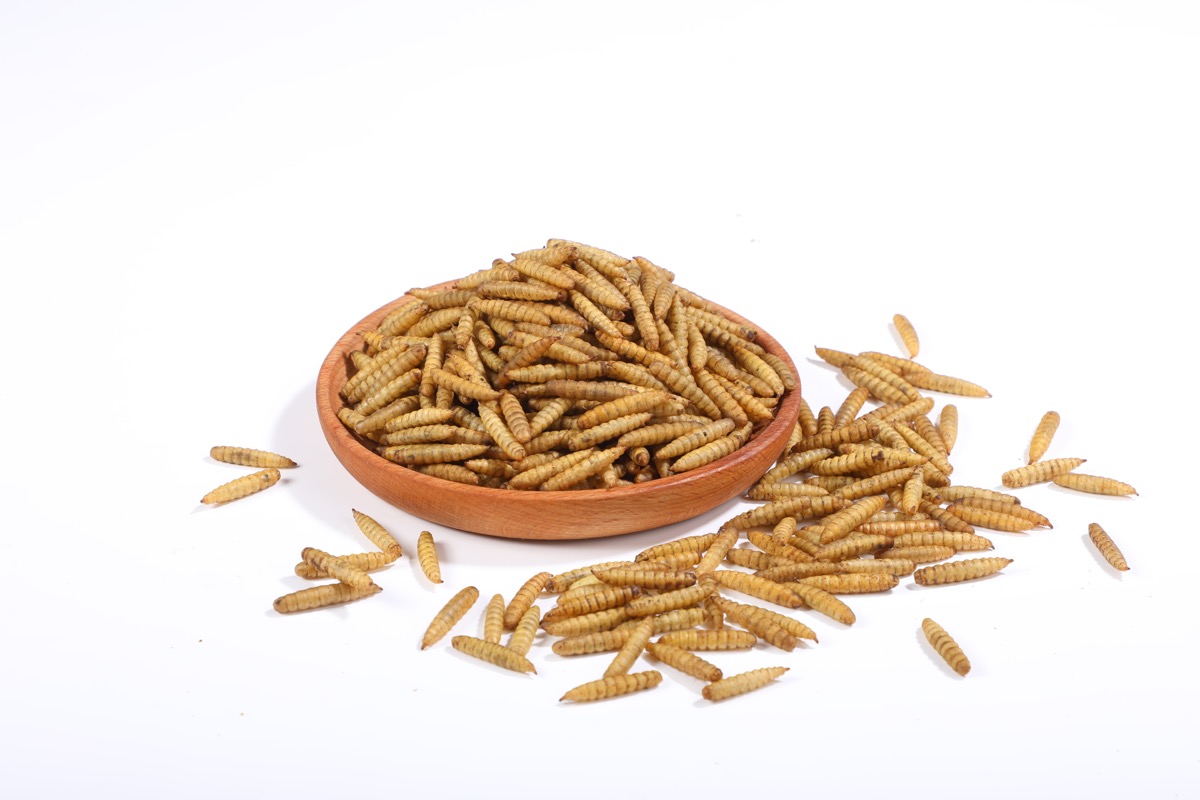
| Dried BSF Larvae | Storage-stable whole-larvae use across all five species groups | Pack size, moisture expectation, shelf-life guidance, storage condition, repeat order plan |
| Frozen BSF Larvae | Whole-larvae feeding across all five species groups where frozen handling is realistic | Cold-chain route, thawing workflow, receiving freezer capacity, trial volume |
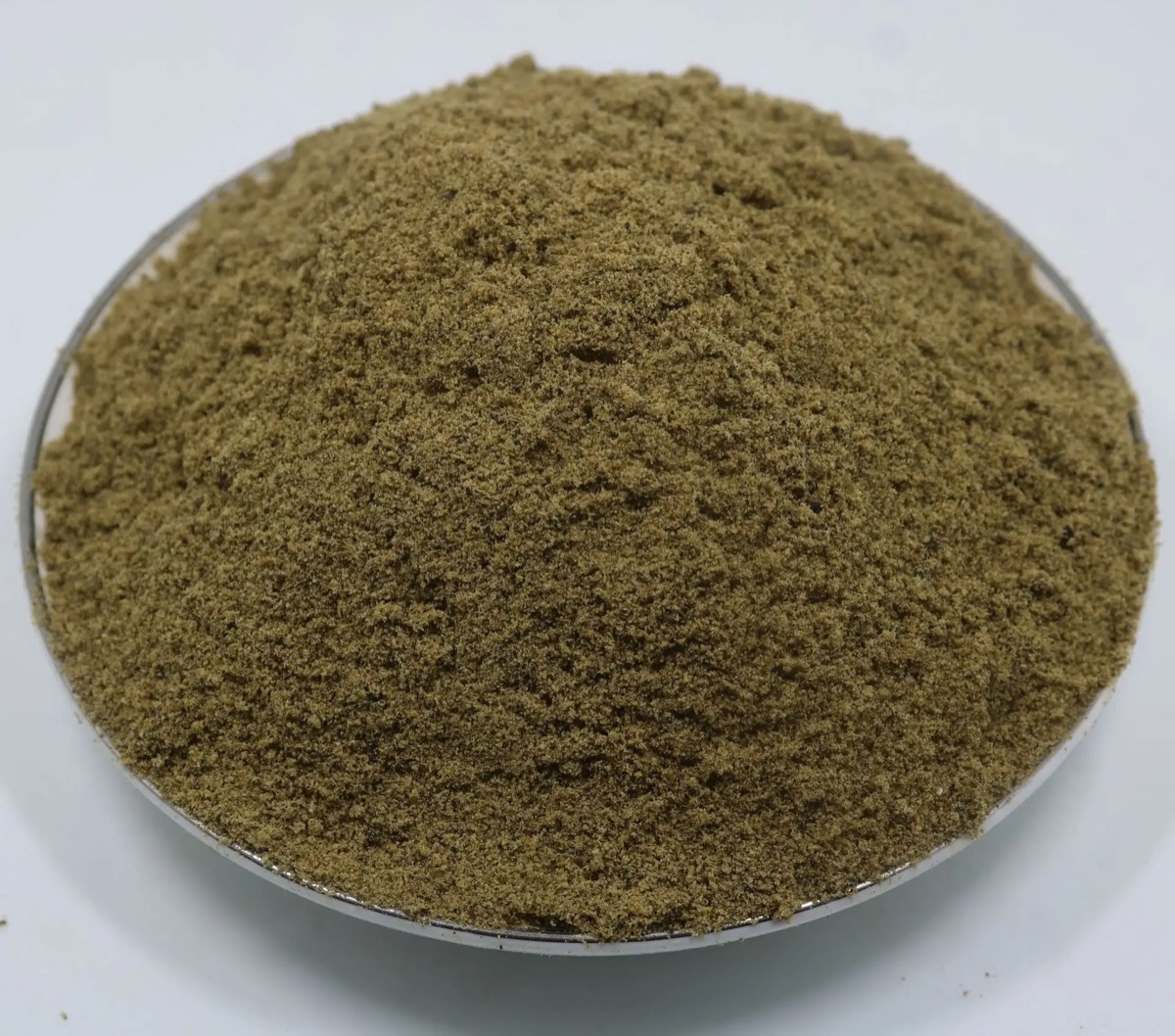
| BSF Meal | Aquafeed and poultry feed formulation | Protein target, particle size, fat level, amino acid data where relevant, sample and trial plan |
| BSF Oil | Functional lipid evaluation for aquafeed and poultry formulas | Fatty acid profile, lauric acid discussion, oxidation indicators, drum or container need, storage |
| BSF Frass | Soil amendment, organic fertilizer input, crop trial, or circular agriculture program | N-P-K, organic matter, pH, EC, treatment method, particle format, destination-market needs |
Specification checklist by product type
Product names alone are not enough. Buyers should request the specification for the exact material being evaluated. For larvae and meal, this may include crude protein, crude fat, moisture, ash, fiber or chitin-related indicators, amino acid data where relevant, particle size, odor, processing method, and batch indicators.
For BSF Oil, buyers should ask for fatty acid profile, lauric acid level, acid value, peroxide value, free fatty acids, color, odor, packaging, and storage guidance. For BSF Frass, buyers should ask for N-P-K, organic matter, moisture, pH, electrical conductivity, particle or granule format, treatment method, microbial indicators, and destination-market documentation needs.
For formulation-focused buyers, BSF Meal vs Fishmeal and Soybean Meal gives a deeper ingredient evaluation framework.
Packaging and logistics questions
Packaging is not a small detail in BSF sourcing. A sample pack, trial pack, carton program, bulk bag, oil drum, and ton-level ingredient supply do not share the same cost, logistics, or handling assumptions. Quote quality depends on packaging clarity.
Fresh and frozen formats need careful discussion of temperature, transport window, receiving capacity, and use after delivery or thawing. Dried larvae and BSF Meal need moisture control, sealed packaging, shelf-life expectations, and storage guidance. BSF Oil needs suitable containers and oxidation-aware storage. BSF Frass needs dry handling, particle format, bagging, pallet planning, and destination-market review.
Destination country and documentation
The destination country should be included in the first inquiry. Feed ingredients, pet food inputs, aquafeed materials, animal by-products, fertilizers, soil amendments, import documentation, and labeling expectations can differ by market. A product that is suitable for one use case or destination may need different review before entering another.
ACEWORM should discuss available documentation during quotation rather than making broad public claims. Buyers should ask what specifications, batch indicators, processing information, storage guidance, identity or traceability support, and supporting files can be provided for their intended product format and destination market.
For production-side review, buyers can read Controlled BSF Production before preparing a supplier document request.
Samples, trials, and scale-up
Professional BSF sourcing usually moves in stages: sample review, specification check, formulation or feeding trial, packaging confirmation, logistics discussion, and repeat supply planning. This is especially important for BSF Meal, BSF Oil, and BSF Frass, where commercial use depends on the target formula, animal species, crop, soil condition, or finished product design.
Published research can support evaluation, but it should not be treated as a one-step guarantee for a commercial formula or crop program. Buyers should define success criteria before scale-up, such as palatability, digestibility-related indicators, pellet behavior, oxidation indicators, soil response, packaging performance, import feasibility, or recurring supply consistency.
Quote-ready inquiry template
- Product format: Fresh Larvae, Dried Larvae, Frozen Larvae, BSF Meal, BSF Oil, or BSF Frass.
- Species or application: animal group, feed formulation role, pet food input, aquafeed trial, soil amendment, or crop program.
- Expected volume: sample, trial, pilot, seasonal program, or recurring bulk supply.
- Packaging need: retail pack, trial pack, carton, bulk bag, drum, pallet, or other buyer requirement.
- Destination country: required for logistics, documentation, and market review.
- Storage capability: live handling, ambient dry storage, cold chain, oil storage, or dry frass storage.
- Documentation needs: specifications, batch indicators, processing notes, storage guidance, and supporting files available on request.
- Timeline: sample review date, trial window, first shipment target, or repeat-supply planning.
When these points are ready, buyers can request a quote for bulk BSF ingredients.
Best next page by buyer need
| Buyer need | Best next page | Reason |
|---|---|---|
| Browse all product formats | Products catalog | Shows whole larvae, feed ingredients, and frass in one catalog |
| Review production and quality controls | Controlled BSF Production | Explains feedstock, processing, batch, storage, and documentation control points |
| Evaluate protein ingredient use | BSF Meal product details | Product page for formulation ingredient positioning and quote needs |
| Evaluate lipid ingredient use | BSF Oil product details | Product page for fatty acid profile, packaging, and storage discussion |
| Evaluate soil amendment use | BSF Frass product details | Product page for frass specifications and soil amendment inquiry |
| Plan aquafeed trials | BSF Meal for Aquafeed | Dedicated article for fishmeal-reduction evaluation and trial design |
References
Analytical Methods for the Identification of Edible and Feed Insects: Focus on DNA-Based Techniques. PubMed: https://pubmed.ncbi.nlm.nih.gov/40509529/ DOI: https://doi.org/10.3390/foods14112002
Evaluation of the Microbial Quality of Hermetia illucens Larvae for Animal Feed and Human Consumption: Study of Different Type of Rearing Substrates. DOI: https://doi.org/10.3390/foods13101587
Mitigation Strategies against Food Safety Contaminant Transmission from Black Soldier Fly Larva Bioconversion. DOI: https://doi.org/10.3390/ani14111590
The Influence of Food Waste Rearing Substrates on Black Soldier Fly Larvae Protein Composition: A Systematic Review. PMC: https://pmc.ncbi.nlm.nih.gov/articles/PMC8303580/ DOI: https://doi.org/10.3390/insects12070608
Biowaste and by-products as rearing substrates for black soldier fly larvae: Effects on larval body composition and performance. DOI: https://doi.org/10.1371/journal.pone.0275213
Insect meal as a feed ingredient for poultry. PubMed: https://pubmed.ncbi.nlm.nih.gov/34991217/ DOI: https://doi.org/10.5713/ab.21.0435
Comprehensive Review of Alternative Proteins in Pet Food: Research Publications, Patents, and Product Trends in Plant, Aquatic, Insect, and Cell-Based Sources. DOI: https://doi.org/10.3390/foods14152640
Edible Insect Production in Thailand: Sustainable Supply Chain Management. DOI: https://doi.org/10.3390/insects16080827