Fresh vs Dried vs Frozen BSF Larvae: How Buyers Choose the Right Format
Compare fresh, dried, and frozen BSF larvae by feeding response, storage, logistics, species fit, documentation, and quote-ready sourcing needs.
Answer summary
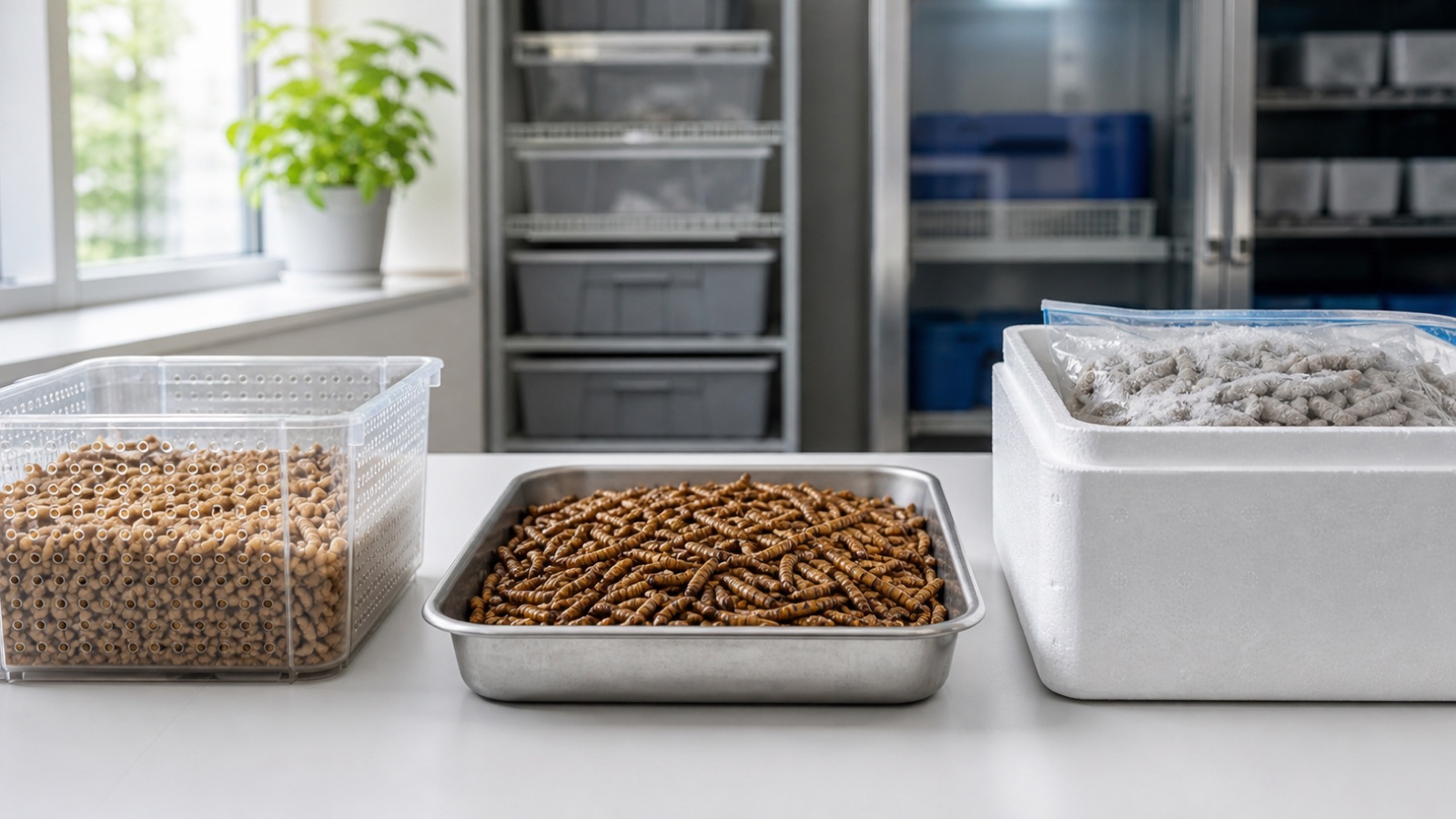
- Fresh, dried, and frozen BSF larvae are not interchangeable SKUs; they are different whole-larvae formats with different handling, storage, and logistics requirements.
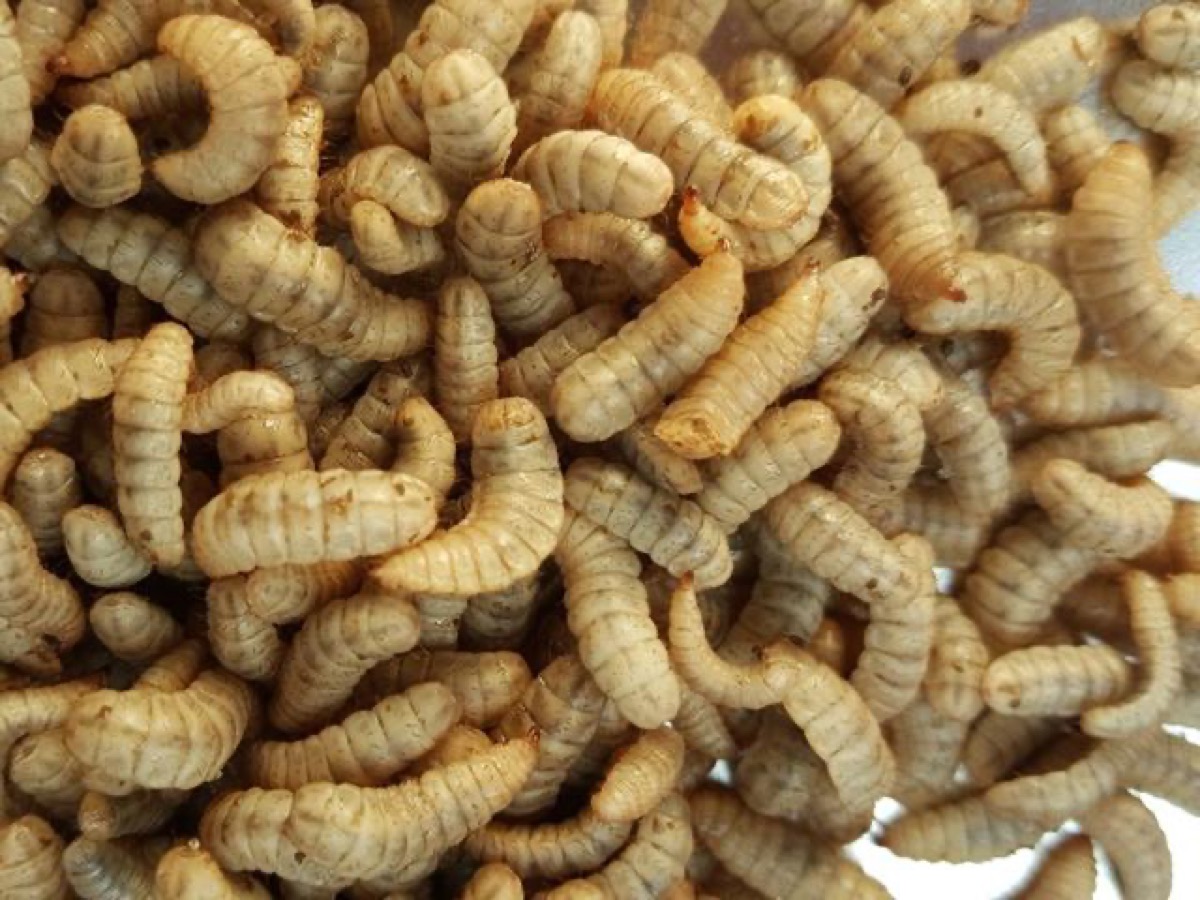
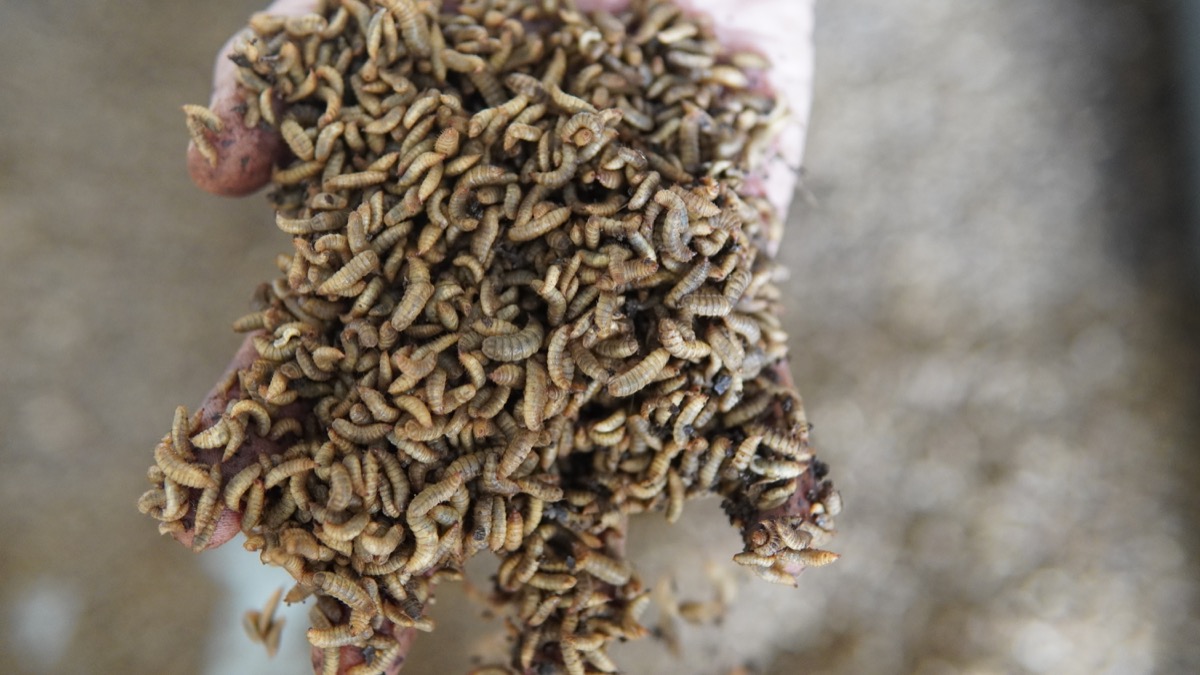
- Fresh BSF Larvae fit buyers who need movement, freshness, and live-feed response, and who can manage fast handling.
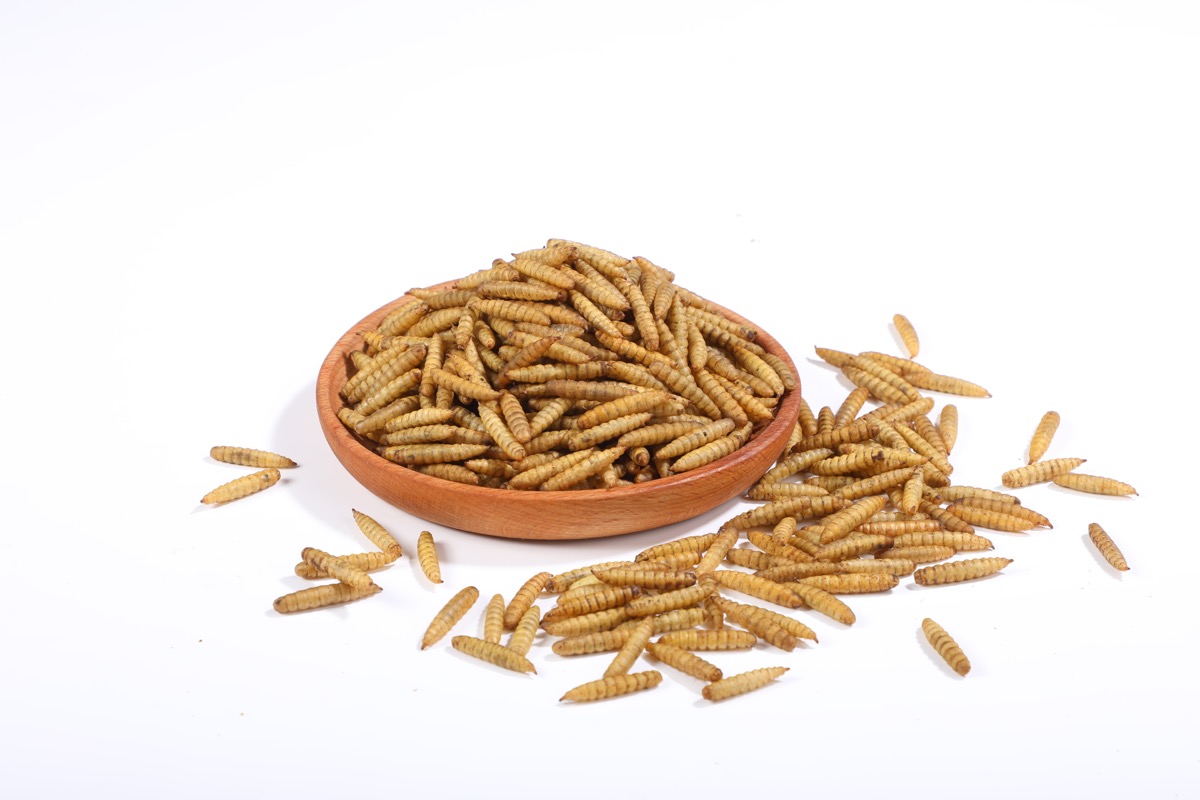
- Dried BSF Larvae are the most storage-stable whole-larvae format for enrichment, treats, repeat supply, and broad animal-feeding programs.
- Frozen BSF Larvae offer a freshness-oriented whole-larvae option without requiring buyers to maintain live insects.
- The right format depends on target species, feeding method, storage capacity, packaging, destination country, and documentation needs.
Fresh vs dried vs frozen BSF larvae: quick comparison
| Format | Best fit | Main buyer advantage | Main constraint | Best next page |
|---|---|---|---|---|
| Fresh BSF Larvae | Live-feed response across reptiles, birds, poultry, fisheries and aquaculture, and selected small mammals/exotics | Movement and freshness | Short use window, receiving discipline, hygiene, and uneaten-feed removal | Products catalog or By Species |
| Dried BSF Larvae | Broadest repeat-use whole-larvae format across all five species groups | Storage stability and easy handling | Portion control and processing/source documentation still matter | Products catalog or By Species |
| Frozen BSF Larvae | Whole-larvae option across all five species groups when cold-chain handling is realistic | Freshness-oriented whole larvae without live maintenance | Frozen storage, thawing, and use-after-thaw control | Products catalog or By Species |
Why product format matters before price
The best BSF larvae format is not the richest-sounding option. It is the format that matches the animal, feeding behavior, storage capacity, logistics route, and repeat-use plan. The same insect species can create very different buyer experiences when supplied fresh, dried, or frozen.
Format affects feeding response, storage life, handling work, logistics risk, product consistency, and how easily a buyer can repeat a feeding program. This is why product-format selection should happen before public pricing, packaging, or sample discussions.
Fresh BSF Larvae: movement, freshness, and live-feed response
Fresh BSF Larvae are best evaluated where movement, freshness, and live-feed response matter. They are relevant for reptile breeders, specialty live-feed customers, selected fisheries and aquaculture trials, and programs where the buyer can manage fast receiving and controlled use.
Fresh larvae are also the most demanding format operationally. Buyers should consider delivery timing, temperature exposure, expected use window, destination rules, and whether the receiving team can handle live insects consistently. Fresh larvae should be positioned as a live-feed solution, not as the default option for every buyer.
Dried BSF Larvae: storage-stable whole larvae for repeat use
Dried BSF Larvae are the easiest whole-larvae format for storage, repeat supply, enrichment, treats, training rewards, poultry enrichment, pet birds, reptiles, fisheries and aquaculture programs, and small-pet programs. They are easier to handle than live larvae and usually fit packaged supply and repeat ordering better.
Drying still matters. Published work on processed BSFL products shows that processing methods can affect nutrition-related characteristics, and buyer-side quality control should not be ignored. A serious dried-larvae buyer should review source, processing method, moisture target, storage guidance, packaging, and documentation available on request.
Frozen BSF Larvae: freshness-oriented feed without live insect maintenance
Frozen BSF Larvae are a freshness-oriented whole-larvae format for buyers who do not want to maintain live insects. They can be useful for specialty pets, amphibians, ornamental fish, aquatic-feeding programs, and other applications where cold-chain storage is realistic.
The key questions are not only nutritional. Buyers should confirm cold-chain availability, storage temperature, thawing guidance, expected use-after-thaw timing, packaging size, and whether the product can be handled safely at the destination. Without batch-specific documentation, frozen larvae should not be marketed with fixed nutrient-retention percentages.
Processing changes the buyer experience
Fresh, dried, and frozen larvae are different processing and logistics products. Slaughtering method, drying temperature, freezing, freeze-drying, storage, packaging, and destination conditions can all influence product properties. Published studies on BSFL processing report effects on composition, digestibility-related measurements, and fat oxidative quality.
This does not mean one format is always superior. It means buyers should ask for the exact specification of the format they intend to purchase. Product format, storage condition, and batch documentation are part of the quality conversation, especially when buyers are planning recurring supply.
Species and application fit
The current biological fit matrix treats fresh, dried, and frozen BSF larvae as suitable whole-larvae options across Reptiles, Birds, Poultry, Fisheries and Aquaculture, and Small Mammals & Exotics. The difference is not whether the species group can use whole larvae; it is which handling format fits the buyer's feeding method, storage capacity, hygiene controls, and repeat-use plan.
For reptiles and fisheries/aquaculture, movement, thawing behavior, uneaten-feed removal, and water or habitat quality are central. For birds and poultry, enrichment, pecking behavior, portion control, and hygiene matter. For small mammals and exotics, use should stay species-specific, especially because herbivorous animals are not the target for routine BSF use.
Logistics, packaging, and documentation checklist
- Confirm whether the project requires fresh, dried, or frozen whole larvae before asking for price.
- Define destination country, storage capacity, expected use window, and receiving conditions.
- Ask for packaging options that match sample testing, repeat supply, or bulk purchasing.
- Confirm what documentation is available on request, especially for processed, imported, or repeat-supply products.
- Review whether import, feed, pet food, or animal-byproduct rules may apply in the destination market.
Best next page by buyer need
| Buyer need | Best next page | Reason |
|---|---|---|
| Understand BSF nutrition before choosing a format | Black Soldier Fly Larvae Nutrition | Explains protein, fat, calcium, chitin, and format differences |
| Evaluate live-feed applications | Fresh BSF Larvae | Product detail for movement, freshness, and live-feed supply |
| Plan storage-stable repeat use | Dried BSF Larvae | Product detail for packaging, storage, and recurring supply |
| Avoid live-insect maintenance | Frozen BSF Larvae | Product detail for frozen storage and thawing workflow |
| Prepare a sourcing inquiry | Global Buyers Checklist | Turns product interest into quote-ready supplier questions |
Quote-ready inquiry checklist
- Target format: fresh, dried, or frozen BSF larvae.
- Target species and life stage.
- Application: feeding response, enrichment, treat use, trial feeding, or repeat supply.
- Estimated volume, sample need, packaging preference, and destination country.
- Storage capability: live handling, ambient dry storage, or frozen storage.
- Documentation needs and any destination-market requirements.
- Use Request a Quote when these details are ready.
References
Insects as Feed for Companion and Exotic Pets: A Current Trend. Animals, 2022. PubMed: https://pubmed.ncbi.nlm.nih.gov/35681914/ DOI: https://doi.org/10.3390/ani12111450
Nutritional value of black soldier fly (Hermetia illucens) larvae processed by different methods. PLOS ONE, 2022. PubMed: https://pubmed.ncbi.nlm.nih.gov/35213590/ DOI: https://doi.org/10.1371/journal.pone.0263924
New horizons in live and dehydrated black soldier fly larvae usage: Behavioral and welfare implications in “Bianca di Saluzzo” cockerels. PLOS ONE, 2025. PubMed: https://pubmed.ncbi.nlm.nih.gov/39982963/ DOI: https://doi.org/10.1371/journal.pone.0318793
Breaking down barriers: live or dehydrated dietary whole black soldier fly larvae supplementation in slow growing chickens preserve meat quality and sensory traits. Poultry Science, 2024. DOI: https://doi.org/10.1016/j.psj.2024.104120
The Effects of Slaughter Methods and Drying Temperatures on the Protein Hydrolysis of Black Soldier Fly Larvae Meal. Animals, 2024. DOI: https://doi.org/10.3390/ani14111709
The Interaction of Slaughtering, Drying, and Defatting Methods Differently Affects Oxidative Quality of the Fat from Black Soldier Fly (Hermetia illucens) Larvae. Insects, 2023. DOI: https://doi.org/10.3390/insects14040368
Research note: High levels of lead and arsenic in imported dried black soldier fly larvae: implications for backyard poultry supplementation. Poultry Science, 2025. DOI: https://doi.org/10.1016/j.psj.2025.105184