Black Soldier Fly Larvae Nutrition: Protein, Fat, Calcium & Chitin
A buyer-focused guide to Black Soldier Fly larvae nutrition, covering protein, fat, amino acids, calcium, minerals, chitin, processing variation, product formats, and specification checks.
Answer summary
- BSF larvae are not one ingredient story; they are a family of feed formats with different nutrition, handling, and logistics roles.
- Whole larvae, BSF Meal, and BSF Oil should not be evaluated with the same specification sheet.
- Protein, fat, amino acids, calcium, minerals, and chitin are useful only when connected to target species, life stage, diet design, and processing method.
- Buyers should request batch specifications and documentation instead of relying on generic nutrient averages.
- This article is the nutrition pillar for related format and species pages, including Fresh vs Dried vs Frozen BSF Larvae and Fisheries and Aquaculture.
Why BSF larvae nutrition matters
Black Soldier Fly larvae connect direct feeding, specialty pet treats, poultry enrichment, aquafeed trials, pet food development, and feed formulation. That range makes them more useful as a nutrition platform than as a single commodity ingredient.
The practical value does not come from one nutrient alone. Buyers usually evaluate BSF larvae through the combined contribution of animal protein, lipid energy, amino acids, minerals, natural insect structure, aroma, handling format, and supply consistency. The right use depends on species, life stage, feeding goal, product format, and the documentation available for the exact lot being purchased.
Nutrition factor matrix
| Factor | Buyer relevance | What to verify |
|---|---|---|
| Protein and amino acids | Supports formulation evaluation and species-specific diet design | Crude protein, amino acid profile, digestibility references |
| Fat and fatty acids | Affects energy density, palatability, and product role | Whole larvae vs defatted meal vs oil; fatty acid profile if needed |
| Calcium and minerals | Relevant for reptiles, birds, poultry, and formulation balance | Calcium, phosphorus, trace minerals, target species limits |
| Chitin | Part of the natural insect structure and a digestibility consideration | Inclusion level, species tolerance, processing method |
| Processing method | Changes nutrient expression and storage behavior | Fresh, dried, frozen, defatted, storage and packaging conditions |
Protein and amino acids
BSF larvae are commonly evaluated as an insect-derived protein input. Reviews describe Hermetia illucens larvae as nutrient-rich material containing protein, fat, amino acids, and minerals, which is why they are often discussed as alternative or complementary ingredients in animal diets.
For buyers, crude protein is only the starting point. Processed BSFL products have been analyzed for amino acid profiles, and published work reports essential amino acids such as leucine, lysine, valine, and histidine in tested samples. The useful question is how protein quality, amino acid profile, digestibility, and the full diet work together for the target animal.
Fat, fatty acids, and energy
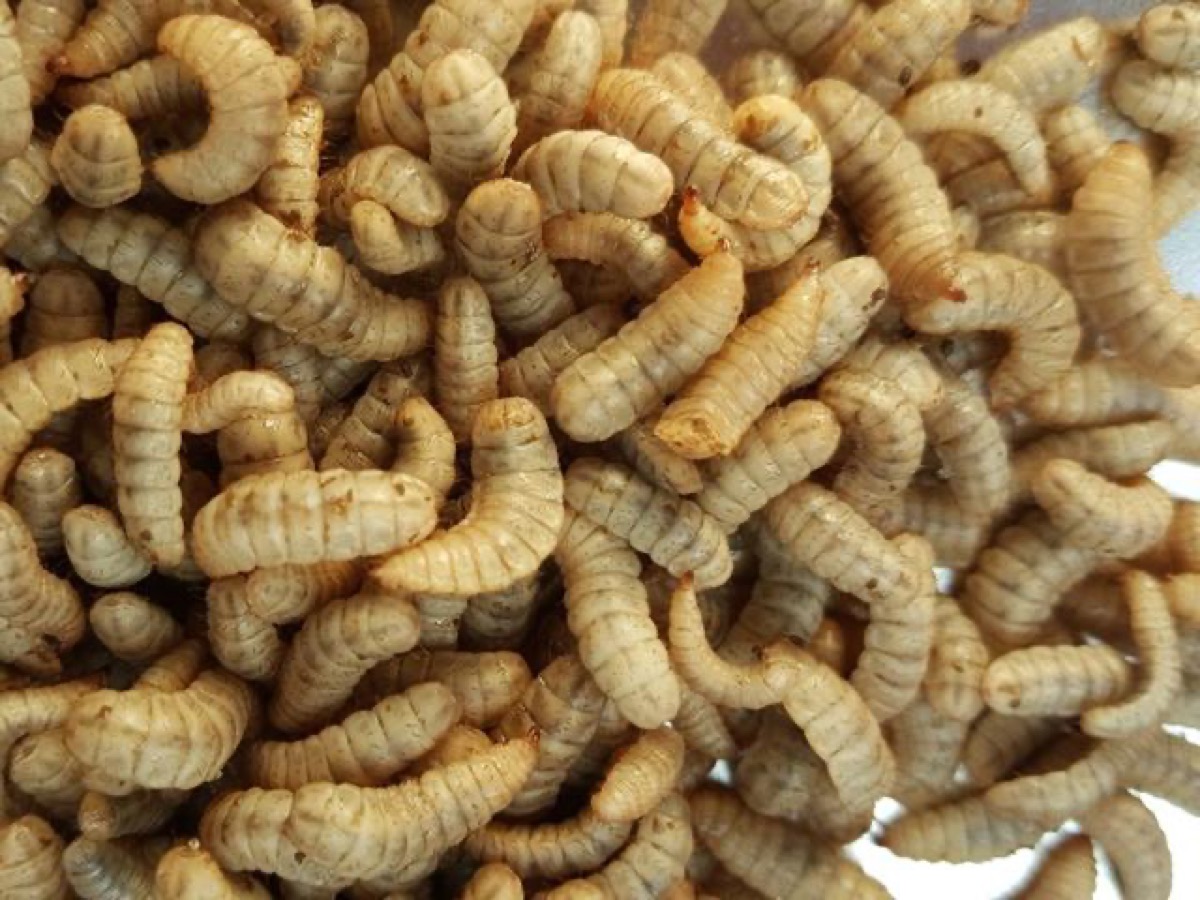
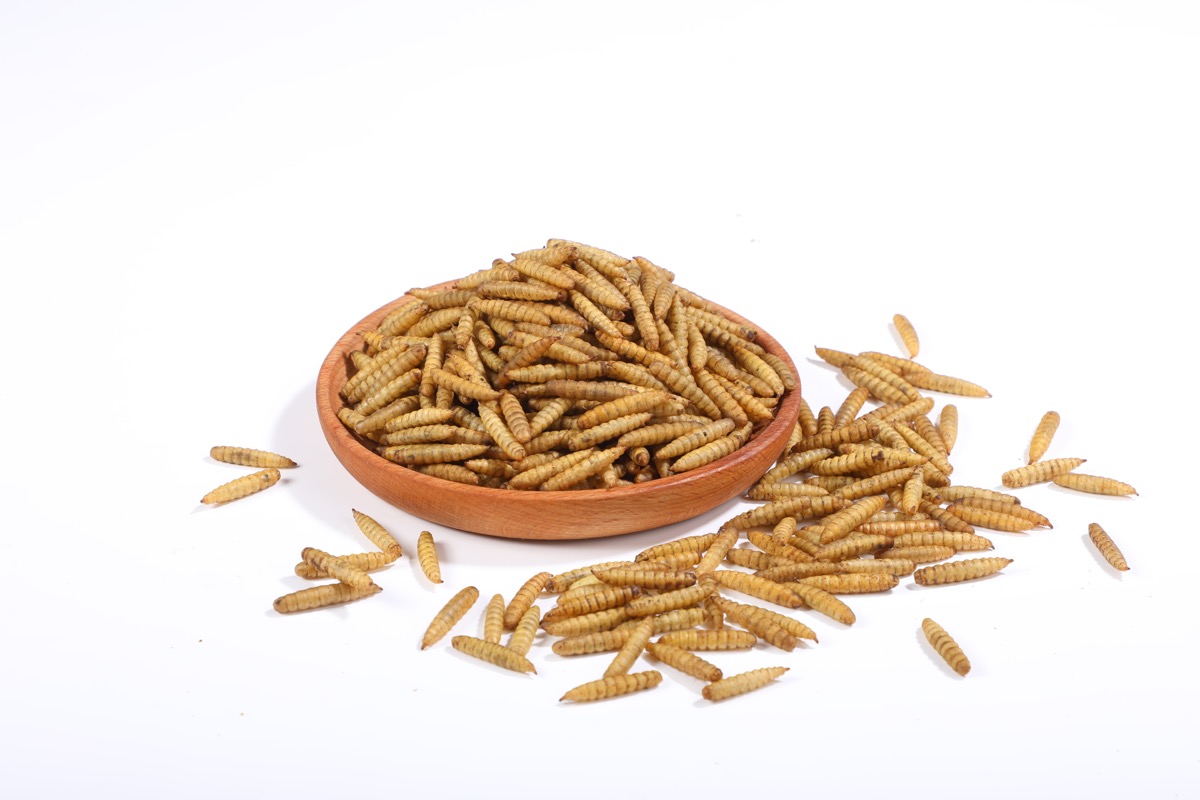
Whole BSF larvae naturally contain lipid, so they should not be treated the same as defatted meal. Fat contributes energy density and can influence palatability, handling, storage, and the role of the product inside a feeding program. Buyers who need precise lipid control should distinguish Dried BSF Larvae, BSF Meal, and BSF Oil.
Published analyses of processed BSFL products include fatty acid profiles, and broader BSF reviews frequently discuss larvae fat and larvae oil as part of the nutritional value of the species. The buyer question is not whether BSF contains fat in general, but which product format provides the lipid profile, storage behavior, and documentation needed for the target application.
Calcium, minerals, and chitin
Processed BSFL samples have been analyzed for minerals such as calcium, phosphorus, potassium, sodium, magnesium, zinc, iron, manganese, and copper. Calcium and mineral profile can matter for Reptiles, birds, poultry, and feed formulation, but they should be evaluated against the target species and the full diet.
Chitin is part of the natural insect structure. It is one reason BSF products are discussed as more than commodity protein, but it is also a formulation and digestibility consideration. It should be presented as a technical evaluation point rather than a universal functional claim.
Why specifications vary by substrate and processing
The right question is not only "what is the average nutrient value of BSF larvae?" but "what is the specification of the exact product format being purchased?" Research shows that rearing substrate can affect larval body composition, and processing method can affect the nutritional profile of finished BSFL products.
Fresh larvae, dried larvae, frozen larvae, defatted meal, and oil are different nutrition and logistics products. Harvest stage, drying method, defatting, storage, packaging, and destination all shape the buyer experience. This is why specification-driven sourcing is more credible than broad nutrient claims.
Whole larvae vs meal vs oil: not the same specification
| Product format | Nutrition role | Best buyer question |
|---|---|---|
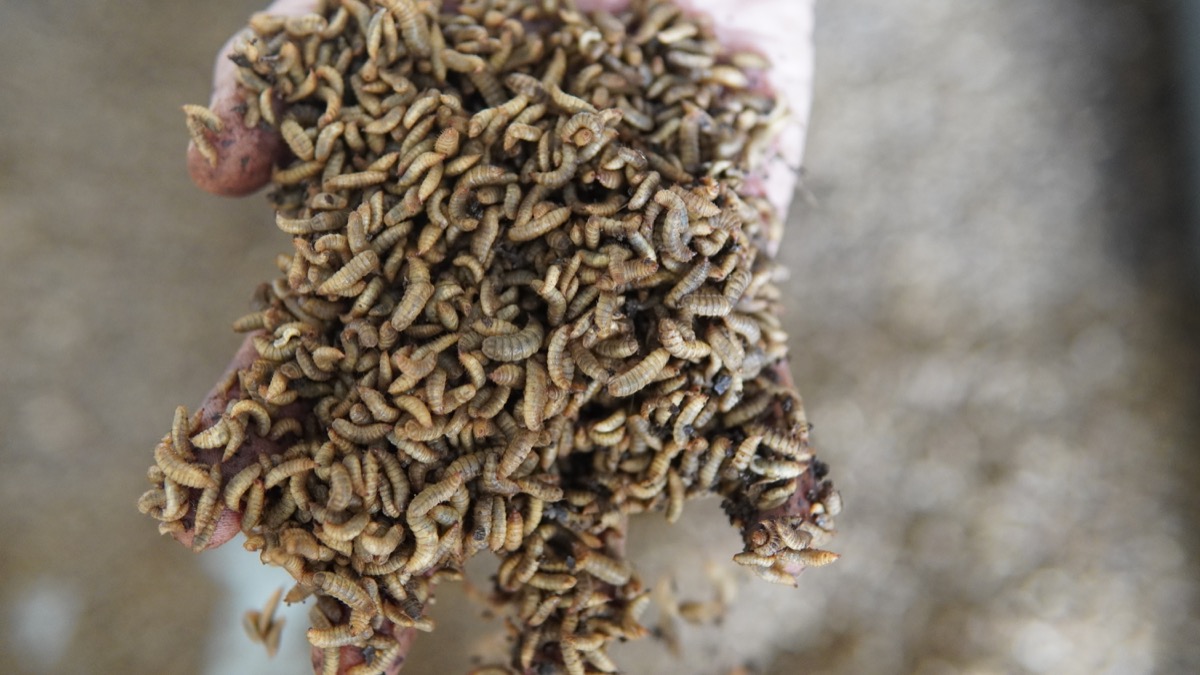
| Fresh BSF Larvae | Live whole-larvae feed with movement and freshness | Can the buyer manage harvest timing, receiving, and live-feed use? |
| Dried BSF Larvae | Storage-stable whole larvae for treats, enrichment, and direct feeding | What protein, fat, calcium, moisture, packaging, and storage specs apply? |
| Frozen BSF Larvae | Whole-larvae format without live-insect maintenance | Can the buyer manage frozen storage, thawing, and feeding window? |
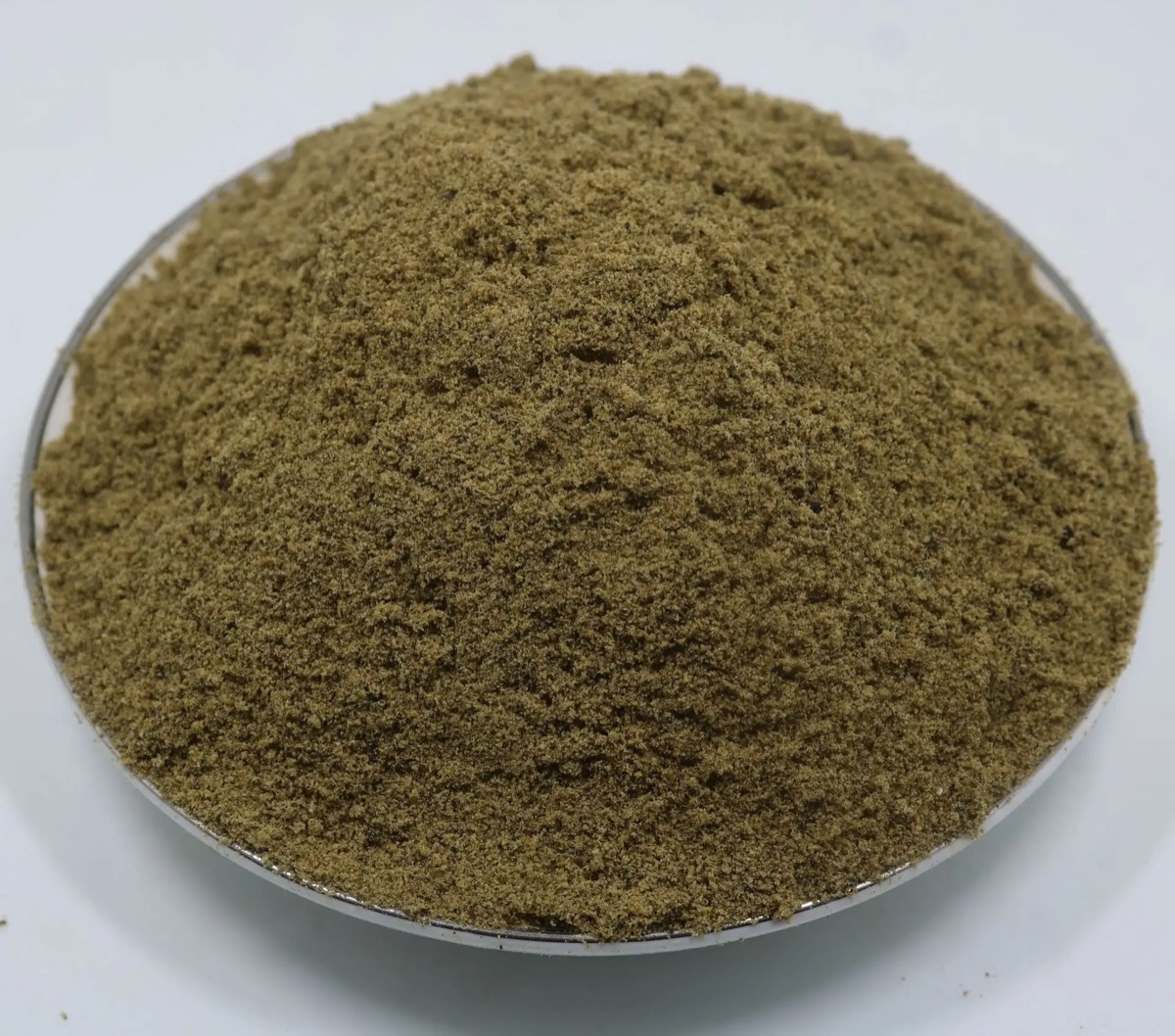
| BSF Meal | Defatted protein ingredient for formulation | What amino acid, digestibility, residual fat, chitin, and particle specs are needed? |
| BSF Oil | Functional lipid ingredient with fatty-acid focus | What fatty acid profile, lauric acid, oxidation, packaging, and storage data are needed? |
How buyers should use this nutrition pillar
This article should act as the entry point for buyers who are still learning what BSF nutrition means. It should not try to close every sale by itself. Instead, it should help readers move from a broad nutrition question to the right product page, species guide, or sourcing discussion.
A buyer interested in direct feeding should continue to whole-larvae formats such as Fresh BSF Larvae, Dried BSF Larvae, or Frozen BSF Larvae. A buyer interested in formulation should continue to BSF Meal or BSF Oil. A buyer comparing aquafeed ingredients should use this article as background, then read the dedicated BSF Meal for Aquafeed guide.
Buyer checklist
- Define the target species, life stage, and intended use before choosing a product format.
- Decide whether the project needs whole larvae, defatted meal, oil, or frass.
- Ask whether crude protein is enough or whether amino acid, fat, mineral, calcium, or chitin data is needed.
- Confirm processing method, storage condition, packaging format, destination country, and documentation needs.
- Use Request a Quote when product format, volume, and target application are clear enough for ACEWORM to respond with useful specifications.
Best next page by buyer need
| Buyer need | Best next page | Reason |
|---|---|---|
| Whole larvae format comparison | Fresh vs Dried vs Frozen BSF Larvae | Explains handling, storage, and species fit |
| Aquafeed formulation | BSF Meal for Aquafeed | Goes deeper on fishmeal replacement and trials |
| Reptile feeding context | Reptiles | Moves from nutrition to species-specific use |
| Bulk sourcing | Sourcing Checklist | Converts nutrition interest into inquiry readiness |
References
Nutritional Composition of Black Soldier Fly Larvae (Hermetia illucens L.) and Its Potential Uses as Alternative Protein Sources in Animal Diets: A Review. Insects, 2022. DOI: https://doi.org/10.3390/insects13090831
Nutritional Value of the Larvae of the Black Soldier Fly (Hermetia illucens) and the House Fly (Musca domestica) as a Food Alternative for Farm Animals—A Systematic Review. Insects, 2024. DOI: https://doi.org/10.3390/insects15080619
Nutritional value of black soldier fly (Hermetia illucens) larvae processed by different methods. PLOS ONE, 2022. PubMed: https://pubmed.ncbi.nlm.nih.gov/35213590/ DOI: https://doi.org/10.1371/journal.pone.0263924
Biowaste and by-products as rearing substrates for black soldier fly (Hermetia illucens) larvae: Effects on larval body composition and performance. PLOS ONE, 2022. DOI: https://doi.org/10.1371/journal.pone.0275213
Insects as Feed for Companion and Exotic Pets: A Current Trend. Animals, 2022. PubMed: https://pubmed.ncbi.nlm.nih.gov/35681914/ DOI: https://doi.org/10.3390/ani12111450
Flight toward Sustainability in Poultry Nutrition with Black Soldier Fly Larvae. Animals, 2024. PubMed: https://pubmed.ncbi.nlm.nih.gov/38338153/ DOI: https://doi.org/10.3390/ani14030510
Black Soldier Fly Larvae as a Novel Protein Feed Resource Promoting Circular Economy in Agriculture. Insects, 2025. DOI: https://doi.org/10.3390/insects16080830