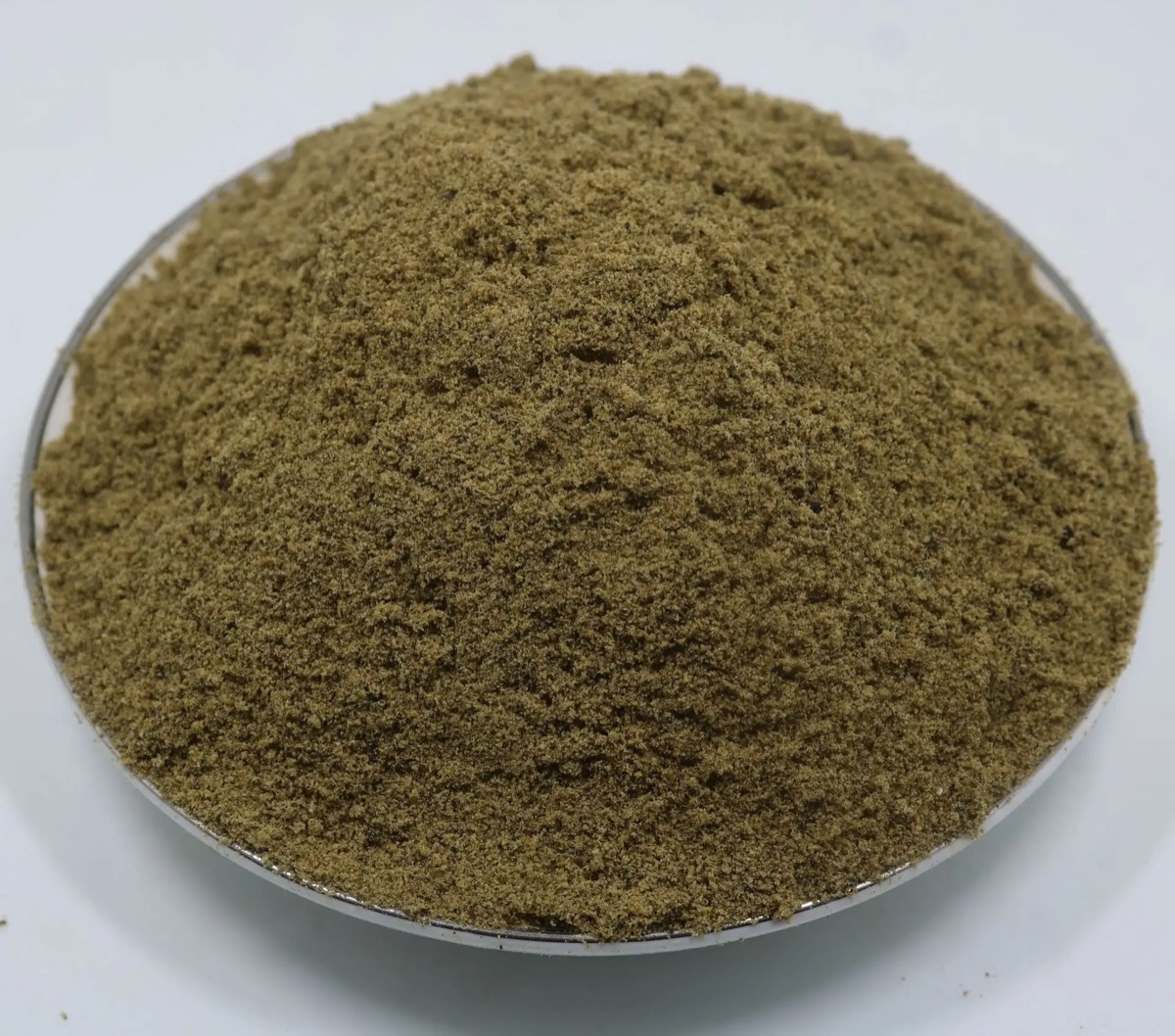
BSF Meal vs Fishmeal and Soybean Meal: What Feed Formulators Should Verify
Evaluate BSF Meal as a fishmeal or soybean meal alternative by protein quality, amino acids, digestibility, chitin, processing, species fit, and buyer documentation.
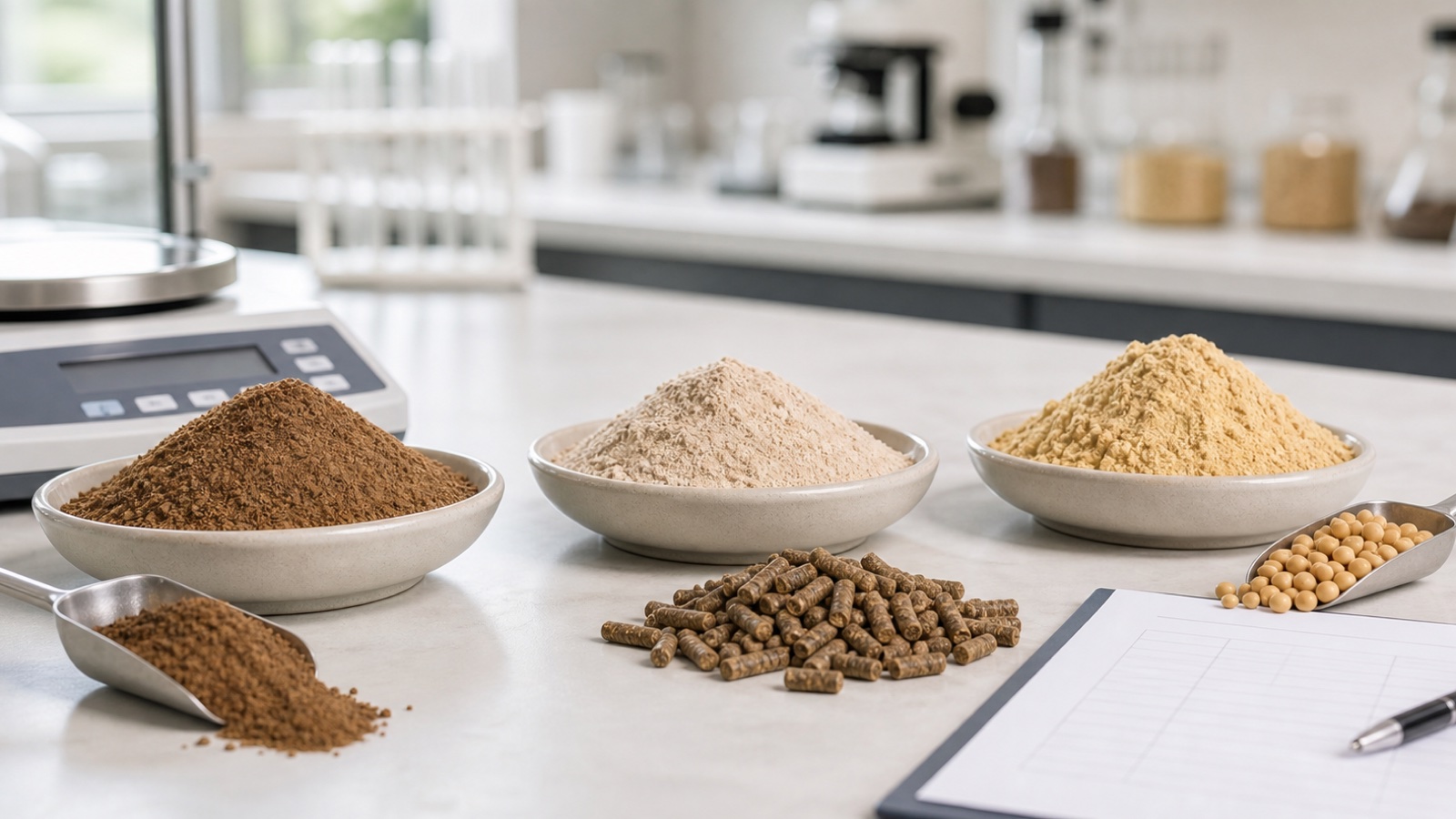
Answer summary
- BSF Meal should be evaluated as a feed formulation ingredient, not as a treat product, whole-larvae format, or generic protein powder.
- Fishmeal, soybean meal, and BSF Meal play different roles in formulas, so substitution should start with target species, life stage, performance goal, and full diet design.
- Crude protein is only the first checkpoint; amino acid profile, digestibility, residual fat, ash, chitin or fiber, particle size, and batch consistency all matter.
- Published studies support serious evaluation of black soldier fly meal in selected applications, but they do not remove the need for formula-specific trials.
- Buyers should request specifications and documentation before scaling from samples to recurring supply.
BSF Meal vs fishmeal vs soybean meal: quick comparison
| Ingredient | Typical role | Buyer advantage | What to verify |
|---|---|---|---|
| Fishmeal | Animal-origin benchmark protein for many aquatic and specialty formulas | Strong nutrition history and palatability role | Cost, supply pressure, sustainability goals, species-specific replacement boundary |
| Soybean meal | Widely available plant protein input | Scale, familiarity, and cost structure | Anti-nutritional factors, amino acid balancing, species fit, positioning limits |
| BSF Meal | Insect-derived protein ingredient for formulation trials and B2B supply | Alternative animal-origin protein, circular production story, specification-driven sourcing | Amino acids, digestibility, chitin/fiber, residual fat, ash, particle size, documentation |
Why formulators consider BSF Meal
Aquafeed, poultry feed, pet food, and livestock nutrition teams are looking for protein inputs that can improve supply flexibility without losing formulation discipline. Fishmeal remains valuable, but cost, availability, and sustainability pressure make buyers compare other animal-origin proteins. Soybean meal is widely used, but buyers may still need alternative or complementary proteins for positioning, amino acid balancing, or formula resilience.
BSF Meal enters this discussion because it offers an insect-derived protein input with a practical formulation role. The commercial question is not whether BSF Meal is always better than fishmeal or soybean meal. The useful question is where it can support a specific formula, at what inclusion logic, and under what technical controls.
Replacement is not one-size-fits-all
A responsible evaluation should not start with a universal replacement ratio. Fishmeal and soybean meal play different roles in protein contribution, amino acid balance, palatability, fat level, mineral contribution, pellet behavior, formula cost, and label positioning.
A practical substitution strategy starts with target species, life stage, performance goal, local feed rules, and the rest of the formula. In many commercial cases, BSF Meal is best assessed first as a partial replacement, complementary protein input, or sustainability-driven formula adjustment that still needs validation in the complete diet.
Protein quality, amino acids, and digestibility
For formulation teams, protein quality is more important than a headline crude protein number. Buyers should request amino acid data when available, compare limiting amino acids against the target formula, and check digestibility evidence or run controlled feeding trials.
Published studies have compared black soldier fly larvae meal with soybean meal and fishmeal in protein quality models, while other studies evaluate protein hydrolysis or digestibility-related questions in animal nutrition contexts. These findings support serious evaluation, but they should not be copied into a commercial formula without species-specific and formula-specific validation.
Chitin, residual fat, ash, and particle size
BSF ingredients are not interchangeable just because they come from the same insect. Defatted powder, full-fat meal, hydrolyzed meal, and whole larvae formats behave differently in formulation. ACEWORM BSF Meal should be understood as a more protein-focused input than whole larvae or full-fat meal.
Buyers should review residual fat, ash, moisture, chitin or fiber indicators, particle size, odor profile, storage behavior, microbiological controls, heavy metals, and batch indicators. These factors affect mixing, extrusion, pelleting, water stability, finished feed consistency, and buyer confidence during scale-up.
Application fit across aquafeed, poultry, pet food, and livestock
In Fisheries and Aquaculture, BSF Meal is usually evaluated against fishmeal, soybean meal, or blended protein systems, with attention to digestibility, pellet quality, water stability, and species response. Buyers who need deeper aquafeed guidance should continue to BSF Meal for Aquafeed.
In Poultry, research has examined black soldier fly larvae meal as a substitute for fishmeal or soybean meal in laying hens and broilers, but commercial formulas still need trial confirmation. In pet food, BSF Meal can support alternative protein positioning and ingredient storytelling, while palatability, labeling, and target market rules remain important. In livestock formulas, buyers should treat it as a specialty protein input to be tested against performance and cost targets.
How to design a formulation trial
- Define the ingredient being replaced: fishmeal, soybean meal, a blended protein premix, or a broader sustainability-driven formula adjustment.
- Confirm target species, life stage, diet type, expected inclusion logic, trial duration, and success metrics.
- Decide whether the trial measures growth, feed conversion, palatability, digestibility, pellet behavior, product quality, or total economics.
- Compare BSF Meal within the full formula, not as an isolated crude-protein number.
- Keep sample handling, storage, batch identity, and documentation consistent across the trial.
Specification and documentation checklist
- Product format: defatted BSF Meal, full-fat meal, hydrolyzed meal, or another insect-derived format.
- Core specification: crude protein, fat, ash, moisture, amino acids when available, chitin or fiber indicators, and particle size.
- Quality controls: microbiology, heavy metals, storage guidance, shelf life, batch identity, and documentation available on request.
- Commercial details: sample size, packaging format, destination country, expected monthly volume, and repeat-supply requirements.
- Compliance context: feed, pet food, import, and animal-byproduct rules in the destination market.
Best next page by buyer need
| Buyer need | Best next page | Reason |
|---|---|---|
| Understand BSF nutrition before formulation | Black Soldier Fly Larvae Nutrition | Explains protein, fat, chitin, minerals, and product format differences |
| Review ACEWORM product details | BSF Meal | Product page for positioning, specs, applications, packaging, and inquiry |
| Evaluate aquafeed use | BSF Meal for Aquafeed | Dedicated article for fishmeal replacement and aquafeed trial design |
| Match ingredient to animal group | Fisheries and Aquaculture or Poultry | Moves from ingredient comparison to species-specific application context |
| Prepare sourcing questions | Global Buyers Checklist | Converts ingredient interest into quote-ready documentation and supplier questions |
Quote-ready inquiry checklist
- Product needed: BSF Meal, sample, trial quantity, or recurring supply.
- Target formula: aquafeed, poultry feed, pet food, livestock feed, or another application.
- Replacement target: fishmeal, soybean meal, blended protein system, or formulation diversification.
- Technical needs: amino acids, particle size, microbiology, heavy metals, shelf life, packaging, and documentation.
- Commercial needs: destination country, estimated volume, trial timeline, packaging preference, and expected scale-up path.
- Use Request BSF Meal specifications when these details are ready.
References
Comparative protein quality in black soldier fly larvae meal vs. soybean meal and fish meal using classical protein efficiency ratio (PER) chick growth assay model. https://doi.org/10.1016/j.psj.2022.102255 Evaluation of In Vitro Protein Hydrolysis in Seven Insects Approved by the EU for Use as a Protein Alternative in Aquaculture. https://doi.org/10.3390/ani14010096 Egg quality and laying performance of Julia laying hens fed with black soldier fly larvae meal as a long-term substitute for fish meal. https://doi.org/10.1016/j.psj.2022.101986 Long-Term Dietary Fish Meal Substitution with the Black Soldier Fly Larval Meal Modifies the Caecal Microbiota and Microbial Pathway in Laying Hens. https://doi.org/10.3390/ani13162629 Effect of replacing soybean meal with Hermetia illucens meal on cecal microbiota, liver transcriptome, and plasma metabolome of broilers. https://doi.org/10.1016/j.psj.2024.103635 Insects as an alternative protein source for poultry nutrition: a review. https://doi.org/10.3389/fvets.2023.1200031 Black Soldier Fly Larvae as a Novel Protein Feed Resource Promoting Circular Economy in Agriculture. https://doi.org/10.3390/insects16080830